


Memorizing random fun facts gives you an immediate social advantage and a ready arsenal of conversation starters. When you understand the fascinating trivia behind everyday phenomena, you transform mundane chats into compelling entertainment. General facts about our world reveal surprisingly complex mechanics hidden in plain sight, offering you practical knowledge that sparks genuine curiosity. You will discover actionable insights into history, science, and human behavior that immediately enhance your daily interactions. By equipping yourself with this interesting knowledge, you effortlessly captivate audiences and demonstrate intellectual versatility. This collection curates verified data and astonishing realities—from biological quirks to historical anomalies—ensuring you always hold a captivating ace up your sleeve during casual conversations or networking events.

Fast Facts
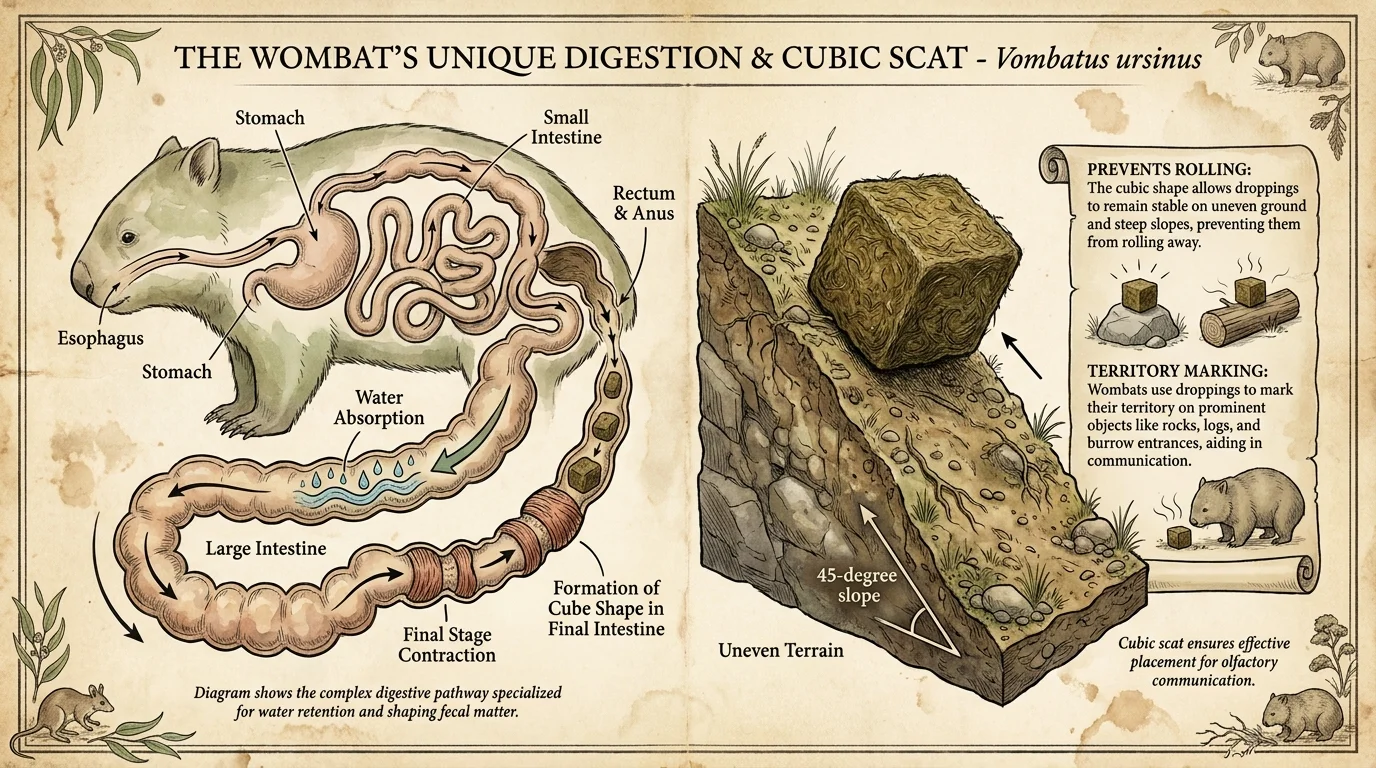
Wombat poop is cube-shaped, which prevents the droppings from rolling away and helps these marsupials strategically mark their territory on steep, uneven terrain. The unique digestive tract of the wombat absorbs almost all of the water from their diet, creating rigid, sharp edges in the final stage of digestion.
Bananas naturally emit antimatter because they contain a radioactive isotope of potassium formally classified as potassium-40. This specific isotope steadily decays and releases a positron—the antimatter equivalent of a standard electron—approximately once every 75 minutes.
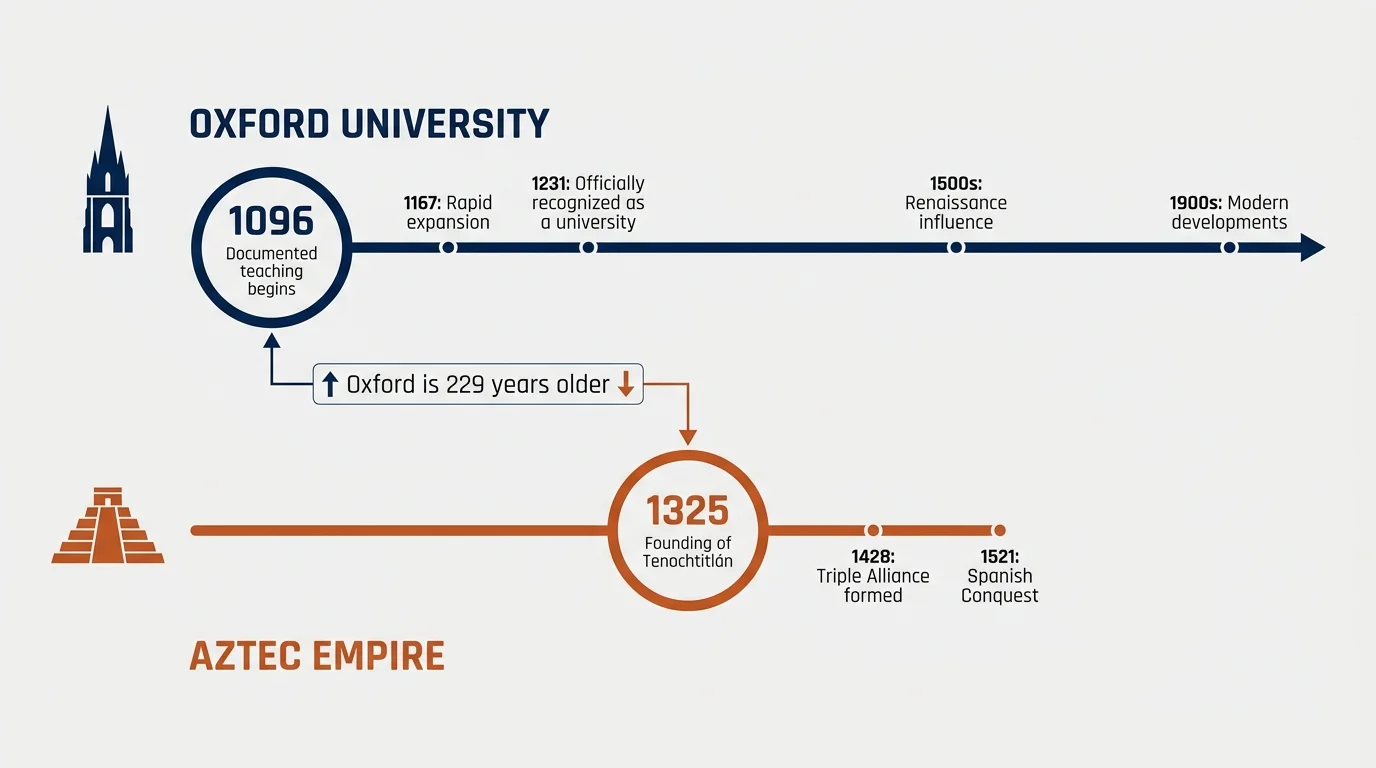
Oxford University is historically older than the Aztec Empire, with documented teaching records existing as far back as the year 1096. The foundational Aztec city of Tenochtitlán was not established until 1325, making the prestigious English educational institution significantly older than the iconic Mesoamerican civilization.
A jiffy represents an actual, measurable unit of time in physics and modern computing, typically defining the exact duration of one tick of a system timer. In electronic engineering, a jiffy translates to roughly one-hundredth of a second, proving that saying you will return in a jiffy carries a highly specific mathematical meaning.
Honey never spoils due to its exceptionally low moisture content and highly acidic chemical environment, which together completely prevent destructive bacteria and microorganisms from surviving. Archaeologists excavating ancient Egyptian tombs have famously discovered sealed pots of honey that remain perfectly safe and edible after resting underground for over 3,000 years.
The Eiffel Tower actually grows more than six inches during the peak of summer because its massive iron structure rapidly expands as it absorbs intense heat from the sun. This ongoing thermal expansion also causes the very top of the famous tower to tilt slightly away from the sun as the metal on the sun-facing side physically elongates.
Octopuses possess three separate hearts, utilizing two of them to pump blood exclusively to their gills while the third pumps oxygenated blood to the rest of their body. Whenever an octopus begins swimming, the systemic heart temporarily stops beating, which clearly explains why these intelligent cephalopods prefer crawling along the ocean floor to heavily conserve their physical energy.
Peanuts are not actually nuts; they strictly belong to the legume family, meaning they develop entirely underground in enclosed pods rather than growing on agricultural trees like walnuts or almonds. Their roots host unique symbiotic bacteria that actively fix atmospheric nitrogen directly into the soil, making them an exceptionally valuable rotation crop for modern farmers seeking to naturally fertilize their arable land.
The original inventor of the microwave oven, Percy Spencer, stumbled upon the revolutionary cooking technology when an active, radar-related magnetron completely melted a peanut butter chocolate bar inside his lab coat pocket. He immediately tested his radical new theory by placing raw, unpopped popcorn kernels near the active tube, effectively creating the world’s very first intentionally microwaved snack.
Sharks successfully existed before terrestrial trees, as extensive fossil evidence definitively dates their marine origin back over 400 million years, while the absolute earliest known trees only appeared around 350 million years ago. These incredibly resilient predators managed to survive four of the five major mass extinction events in Earth’s chaotic history, highlighting their supreme evolutionary adaptability.
The rural French village of Sarpourenx formally issued a municipal decree aggressively banning local residents from dying within the territory if they did not already explicitly own a reserved spot in the critically overcrowded cemetery. The mayor mandated severe hypothetical punishments for administrative offenders, actively using this extreme legislative measure to passionately protest a regional legal ruling that had previously prevented the physical expansion of the town’s graveyard.
Your stomach continuously grows a completely new cellular lining every few days to proactively protect its muscular walls from aggressively digesting itself with its own highly acidic fluids. Without this rapid, relentless cellular regeneration cycle, the potent hydrochloric acid strictly required to break down your daily food intake would quickly dissolve the vital organ completely.
Context and Background
The Cognitive Impact of Learning Trivia
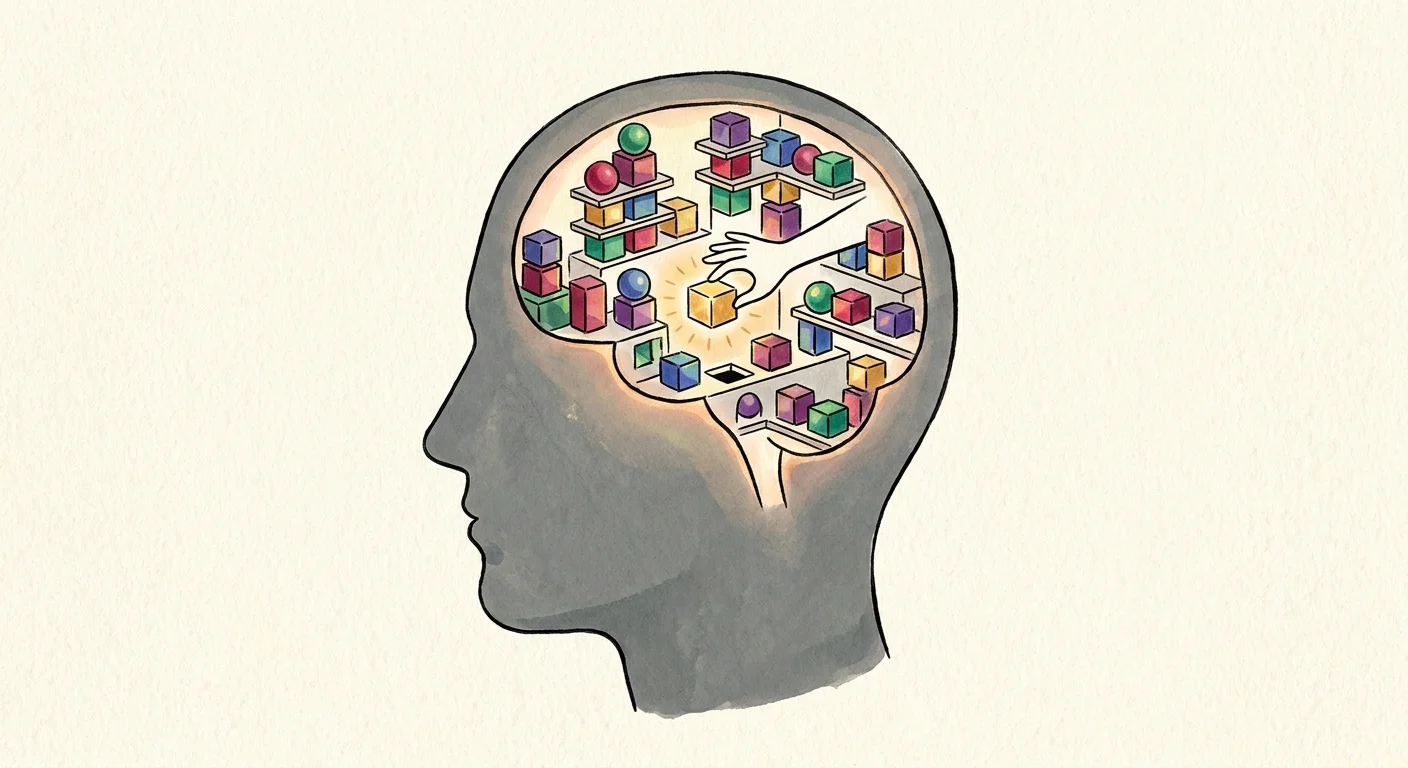
When you actively absorb interesting knowledge, you immediately stimulate your brain’s hippocampus and significantly enhance your overall capacity for long-term memory retention. Engaging consistently with obscure trivia acts as a targeted, high-intensity mental workout that strengthens your fundamental cognitive flexibility; this deliberate mental exercise helps your brain forge significantly stronger neurological connections between seemingly unrelated concepts. Researchers publishing in journals like Cell have consistently demonstrated that states of heightened curiosity effectively prime the brain, allowing it to learn and retain new information much more efficiently. By intentionally diving into historical anomalies or complex biological oddities, you actively train your mind to swiftly identify patterns and securely store diverse data points for rapid future recall. You essentially build an extensive, highly structured mental scaffolding that makes learning entirely new, complex subjects substantially easier down the road. Rather than simply collecting disposable internet data, you actively cultivate a sharp, highly adaptable intellect strictly capable of drawing unique, actionable insights from the complex world around you.

Building Social Currency Through General Facts
Arming yourself with a vast, reliable repository of entertainment transforms the fundamental way you navigate complex, high-stakes social environments. Whenever you encounter an awkward lull in a casual conversation or a professional networking event, seamlessly deploying a well-timed, verified piece of general knowledge provides an immediate and highly engaging pivot point that draws people effortlessly back into the discussion. You effectively offer tangible value to your conversational partners by introducing novel, factual concepts that naturally invite follow-up questions, shared laughter, or mutual astonishment. Modern social currency relies heavily on your active ability to consistently contribute memorable, positive moments to a group dynamic, and deliberately curating an arsenal of surprising truths gives you a distinct, undeniable communicative advantage. When you confidently share a compelling scientific discovery or a bizarre historical law, you immediately position yourself as a highly resourceful, intelligent, and approachable conversationalist. People naturally gravitate toward dynamic individuals who continuously introduce fresh, exciting perspectives into their daily, routine interactions.

The Role of Dopamine in Processing Interesting Knowledge
Your brain actively rewards you for uncovering novel, surprising information by rapidly releasing dopamine—a critical, powerful neurotransmitter intimately associated with feelings of pleasure, satisfaction, and internal motivation. Every single time you process a new, astonishing fun fact that fundamentally challenges your baseline understanding of reality, this sudden chemical surge provides a powerful intrinsic reward that organically encourages continued, self-directed learning. You experience a distinct, measurable neurological high when a confusing informational puzzle piece finally clicks into place, which perfectly explains why diving deeply into endless rabbit holes of internet trivia feels so incredibly addictive. This deeply ingrained biological mechanism originally evolved to ensure ancient human beings remained perpetually curious about their shifting environments, successfully driving our ancestors to boldly explore and map the dangerous world around them. Today, you seamlessly leverage this exact same evolutionary survival trait whenever you read about advanced quantum physics or lost ancient civilizations. Understanding this dopamine-driven neurological feedback loop allows you to intentionally hack your own daily motivation.

Interesting Connections
How Evolutionary Biology Explains Everyday Peculiarities
You can reliably trace many seemingly bizarre fun facts directly back to strict evolutionary necessity and highly specific ecological adaptation. For instance, successfully analyzing the distinct, block-like cubic shape of wombat droppings requires you to closely examine the harsh, severely uneven terrains of the Australian outback where these specific marsupials originally evolved. Their highly unique digestive mechanics perfectly highlight how natural selection ruthlessly solves complex environmental challenges through gradual, highly specialized anatomical modifications over millions of years. Similarly, when you finally learn that ancient sharks actually predate the evolutionary existence of terrestrial trees, you immediately gain a profound, lasting appreciation for the sheer durability of cartilaginous marine predators. These supreme evolutionary survivors successfully navigated multiple catastrophic mass extinction events simply because their core anatomical design achieved a near-perfect biological equilibrium with the surrounding marine environment long before complex plant life ever managed to dominate the continents. By deliberately connecting random, isolated trivia directly to the broader, overarching principles of natural selection, you successfully transform brief anecdotes into a cohesive understanding.

The Unlikely Intersection of Military Tech and Domestic Life
Many of the general facts you routinely encounter regarding modern household conveniences originate directly from highly secretive military research and urgent wartime engineering projects. You physically experience this direct, undeniable technological translation every single time you quickly heat a meal in a standard kitchen microwave oven, utilizing the exact same underlying magnetron technology originally developed for advanced radar systems during World War II. Percy Spencer’s famous accidental discovery involving a melted chocolate bar perfectly illustrates how brilliant lateral thinking smoothly bridges the vast gap between heavy industrial defense applications and accessible domestic consumer goods. When you carefully study the surprising origins of everyday items—ranging from commercial superglue to synthetic rubber tires—you quickly uncover a fascinating, largely hidden history of severe resource scarcity driving sudden, brilliant innovation. Understanding these bold cross-disciplinary leaps allows you to fundamentally view your immediate, mundane surroundings through a completely different analytical lens; you quickly realize that the simple tools sitting quietly on your kitchen counter actually represent decades of complex problem-solving.

Ancient Human Architecture and Modern Scientific Discoveries
You frequently encounter historical trivia that brilliantly bridges ancient human endeavors with contemporary, high-tech analytical techniques, revealing the astonishing, undeniable ingenuity of early human civilizations. When modern materials scientists and archaeologists carefully analyze the exact chemical composition of thousand-year-old Roman concrete, they frequently discover astonishing self-healing properties that contemporary structural engineers continuously struggle to artificially replicate. Learning that ancient Mediterranean builders successfully utilized specific reactive volcanic ash to create massive port structures capable of surviving millennia of brutal seawater exposure fundamentally alters your baseline perspective on historical technological progress. Furthermore, when you consider that established educational institutions like Oxford University actively opened their doors centuries before the mighty Aztec Empire ever established its iconic capital city, you immediately shatter common chronological misconceptions. These fascinating, verifiable historical intersections deliberately force you to fiercely reevaluate the standard timeline of human achievement. By exploring these surprising cross-cultural milestones, you effectively develop a much richer, vastly more interconnected view of global history.
Frequently Asked Questions
Why do people find random fun facts so incredibly memorable?
You inherently remember obscure, bizarre details much more efficiently than mundane daily tasks strictly because unexpected information dramatically violates your brain’s deeply established predictive models. When you suddenly encounter a verified fact that directly contradicts your baseline assumptions—such as common yellow bananas actively producing radioactive antimatter—your alert cognitive systems immediately flag this specific anomaly as highly significant for future survival or utility. Your brain actively processes routine, boring tasks completely automatically, requiring minimal conscious engagement, which ultimately leads to extremely poor long-term memory retention. In sharp contrast, shocking or highly amusing trivia commands your immediate, undivided attention and explicitly forces your complex neural networks to encode the new data robustly. You effectively leverage the psychological “bizarreness effect,” a thoroughly documented cognitive phenomenon where highly unusual material actively generates significantly stronger neurological imprints than ordinary, expected information.
How can I reliably verify interesting knowledge before sharing it with my network?
You must systematically and ruthlessly cross-reference bold claims against primary academic sources and peer-reviewed scientific journals to ensure you exclusively deliver highly accurate entertainment to your peers. The modern internet heavily circulates completely fabricated trivia, so you should constantly and proactively look for direct corroboration from established educational institutions, recognized scientific organizations, or highly reputable digital encyclopedias. For example, successfully verifying a bizarre biological anomaly directly involves searching authoritative databases carefully managed by esteemed groups like The Smithsonian Institution or actively reviewing literature formally published by prominent university researchers. You should always treat unsourced social media graphics with extremely heavy skepticism, actively tracing the original source of the bold claim before officially committing it to your memory. By strictly applying rigorous analytical standards to the fun facts you collect, you comprehensively protect your social credibility.
What specifically makes general facts so highly effective as social conversation starters?
Sharing a bizarre, verified piece of trivia actively creates an immediate, incredibly low-stakes entry point into a much broader dialogue that smoothly bypasses the painful friction of traditional, boring small talk. When you confidently introduce an unexpected fact directly into a casual conversation, you openly invite the other person to comfortably share their immediate emotional reaction or related personal knowledge without unfairly demanding highly vulnerable personal disclosures. This comfortable social dynamic significantly reduces mutual conversational anxiety and seamlessly builds instant interpersonal rapport by firmly establishing a highly enjoyable shared moment of discovery. Furthermore, diverse general facts consistently provide exceptionally versatile conversational bridges; a single, well-placed piece of scientific trivia can effortlessly transition a stalling discussion from the local weather directly into advanced technology, ancient history, or deep philosophy. You successfully utilize these sharp informational nuggets to dynamically direct the ongoing flow of dialogue.
Can learning obscure trivia actually improve my long-term cognitive health?
Engaging continuously and enthusiastically with entirely new information explicitly forces your physical brain to actively build and meticulously maintain highly diverse neural pathways, which significantly contributes to your long-term cognitive health. When you actively memorize and deeply contextualize random general facts, you effectively exercise the specific regions of your brain directly responsible for complex semantic memory and advanced executive function. Leading neuroscientists formally recognize this ongoing intellectual practice as actively building a “cognitive reserve”—a robust neurological buffer that demonstrably helps protect your aging mind against severe, age-related mental decline. You must treat your physical brain exactly like a biological muscle; by consistently challenging it with highly varied, complex data spanning multiple distinct academic disciplines, you actively preserve its youthful plasticity. Incorporating a strict daily habit of actively learning obscure trivia definitively ensures you keep your mental faculties remarkably sharp, highly agile, and fiercely resilient.
