

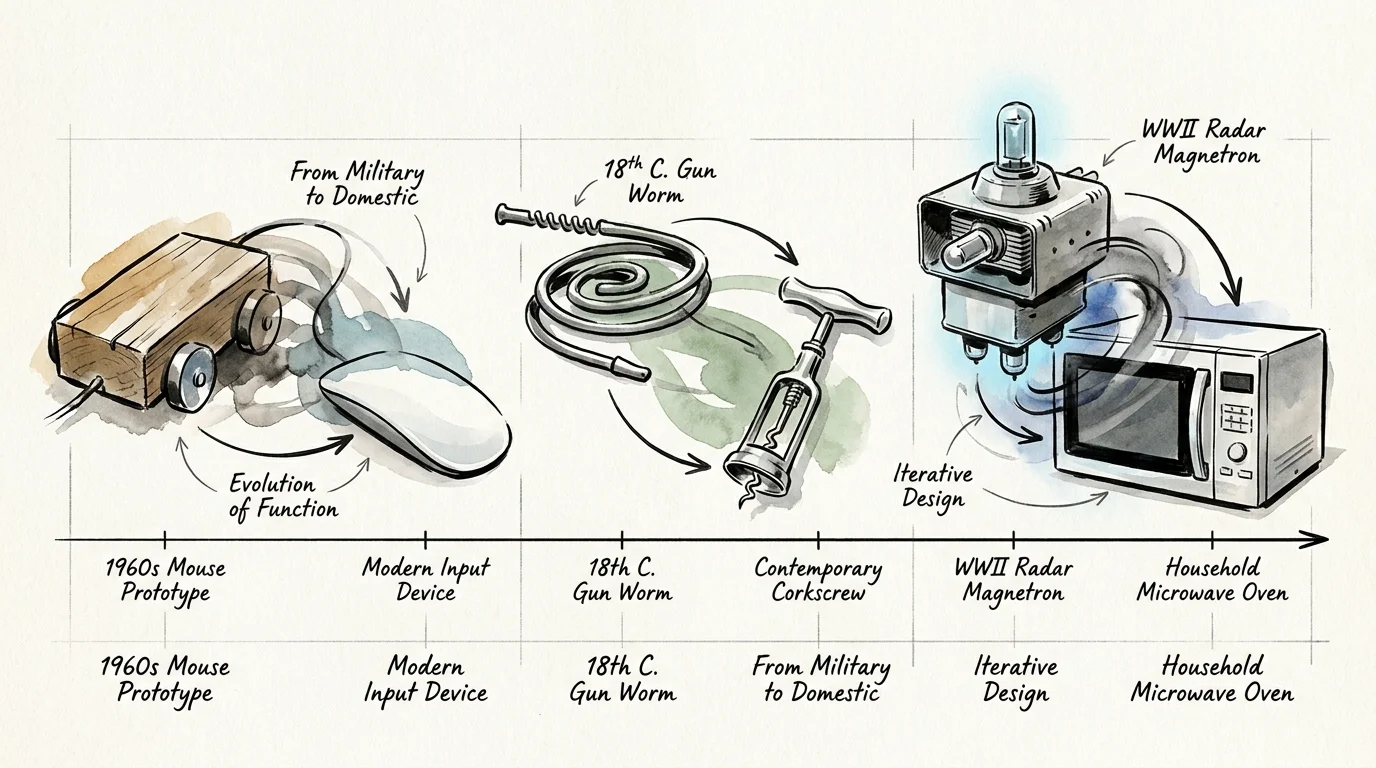
Many items you rely on daily began their lives serving completely different, and sometimes shocking, purposes. You will quickly discover that the origin stories of familiar tools often involve bizarre medical practices, military necessities, or commercial failures before becoming household staples. Exploring these transformations reveals a fascinating pattern where human ingenuity repurposes old concepts to solve modern problems. When you look closely at these everyday objects, you uncover hidden history facts that challenge your assumptions about design. Understanding how a wooden block became a computer mouse or a surgical instrument evolved into a heavy power tool gives you a deeper appreciation for the unpredictable paths of successful inventions.

Fast Facts
Modern sanitary pads trace their origins back to highly absorbent wood pulp bandages deployed on the battlefield during World War I. Frontline nurses working for the Red Cross discovered that this cellucotton material performed far better than standard medical cotton for their own personal hygiene needs.
The very first commercial hair dryers emerged in the 1920s as massive, heavy devices constructed from solid zinc and steel. Ambitious inventors literally attached an electric fan motor to the exhaust end of a standard household vacuum cleaner to blast a steady stream of warm air.
Super Glue resulted entirely from an accidental chemical discovery when military scientists attempted to manufacture clear plastic gun sights during World War II. The experimental cyanoacrylate compound proved far too sticky for the precision weapon parts, frustrating researchers by instantly bonding to absolutely everything it touched.
Radar technicians working during World War II noticed that active military magnetrons melted the chocolate candy bars stored in their uniform pockets. This sharp observation directly spawned the commercial microwave oven, which originally stood six feet tall and weighed several hundred pounds.
Naval engineers invented the classic Slinky toy while attempting to develop tension springs capable of keeping sensitive shipboard instruments perfectly steady in rough ocean seas. Engineer Richard James accidentally knocked a coiled sample off a laboratory shelf and watched it gracefully step down to the wooden floor.
Corkscrews possess a distinctly martial origin, evolving from a standard military tool called a gun worm. Early infantry soldiers used this long, spiraled metal device to safely extract unspent musket balls and cloth wadding from the barrels of their heavily fouled firearms.
Aerospace contractors created the famous WD-40 lubricant to prevent dangerous rust and corrosion on the outer metal skin of the Atlas nuclear missile. The name explicitly stands for Water Displacement, 40th formula, representing the exact number of chemical attempts required to perfect the final protective mixture.
Context and Background
The Computer Mouse
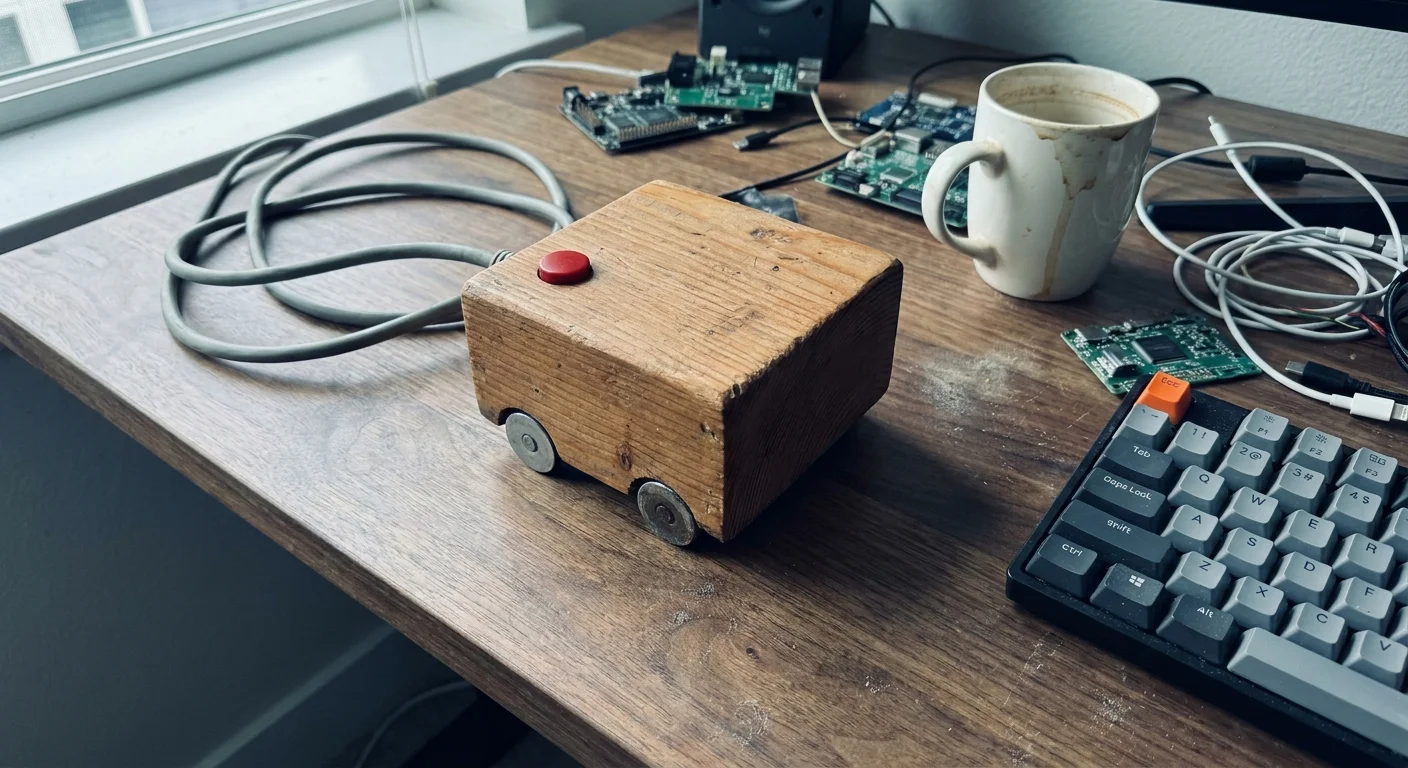
Douglas Engelbart unveiled the first computer mouse in 1968, and it bore absolutely no resemblance to the sleek, ergonomic devices you hold today. The original prototype featured a bulky, hollow wooden shell containing two metal wheels positioned at a strict 90-degree angle. These sharp wheels dragged roughly across the desk surface to track horizontal and vertical coordinates. Historical archives detailed by Smithsonian Magazine reveal that Engelbart’s engineering team initially called the contraption a “bug” before officially settling on “mouse” due to the thick, rigid cord trailing out of the back like a tail. Today, you interact with advanced optical sensors and wireless Bluetooth technology housed inside contoured, injection-molded plastics. Understanding this striking transition shows you exactly how interface design prioritizes human comfort over time. The original wooden block required substantial physical effort and precise movements to operate accurately. This heavy device stands as a far cry from the effortless glide of modern computer peripherals, proving that initial prototypes focus entirely on basic mechanics rather than delivering user comfort.
Play-Doh
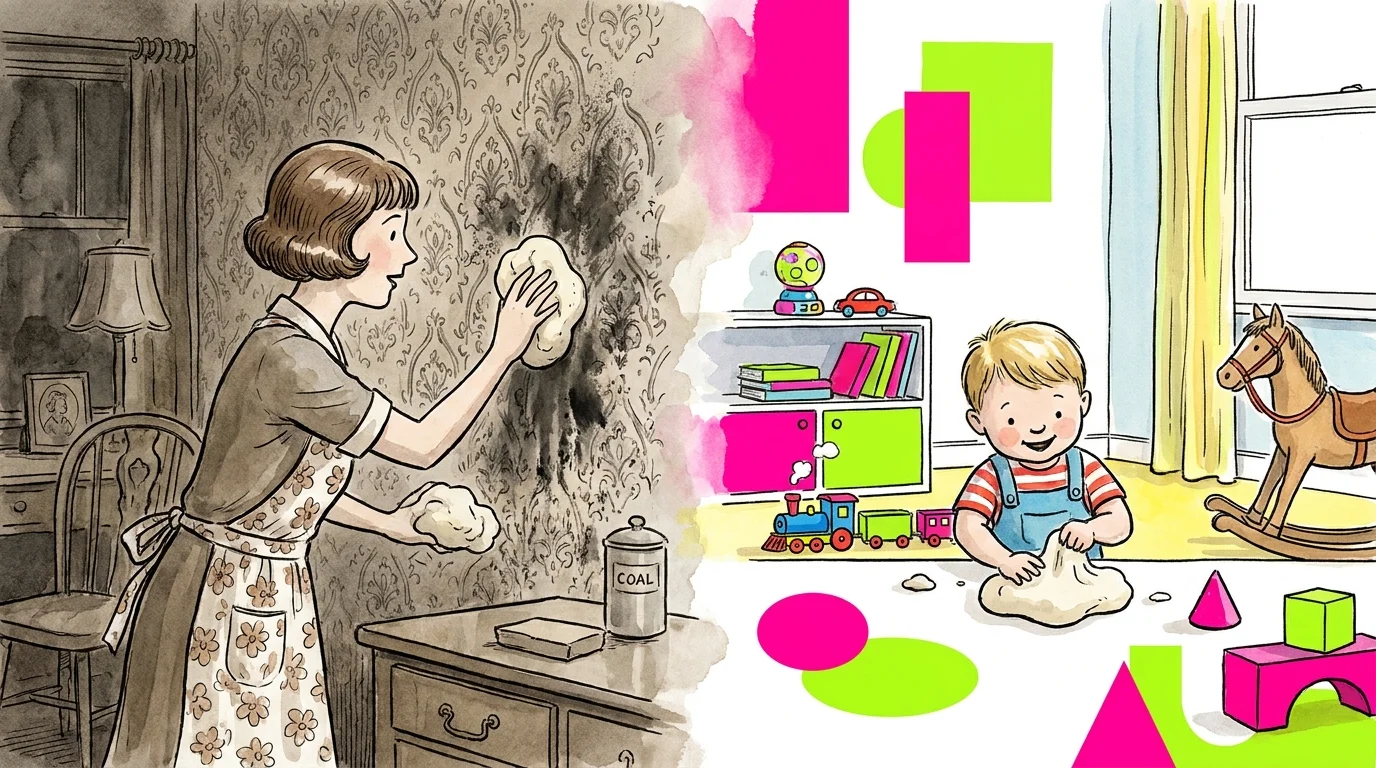
When you open a fresh can of Play-Doh, you expect to find a colorful, soft modeling clay designed for children. However, this iconic toy started its life in the 1930s as a decidedly mundane household cleaning product. Kutol Products created the original pliable, off-white putty specifically to lift greasy coal soot off residential wallpaper. Before the widespread adoption of clean-burning gas furnaces, homeowners desperately needed a way to clean their walls without damaging the delicate paper. As coal heating rapidly declined across the country, Kutol faced certain bankruptcy. The company cleverly removed the harsh cleaning detergents, added bright artificial dyes, and infused the putty with a pleasant almond scent. They successfully pivoted to the educational market, marketing the exact same chemical compound as a safe, non-toxic modeling clay. This brilliant corporate reinvention saved the company and cemented the product as an artistic staple for children globally.
The Treadmill
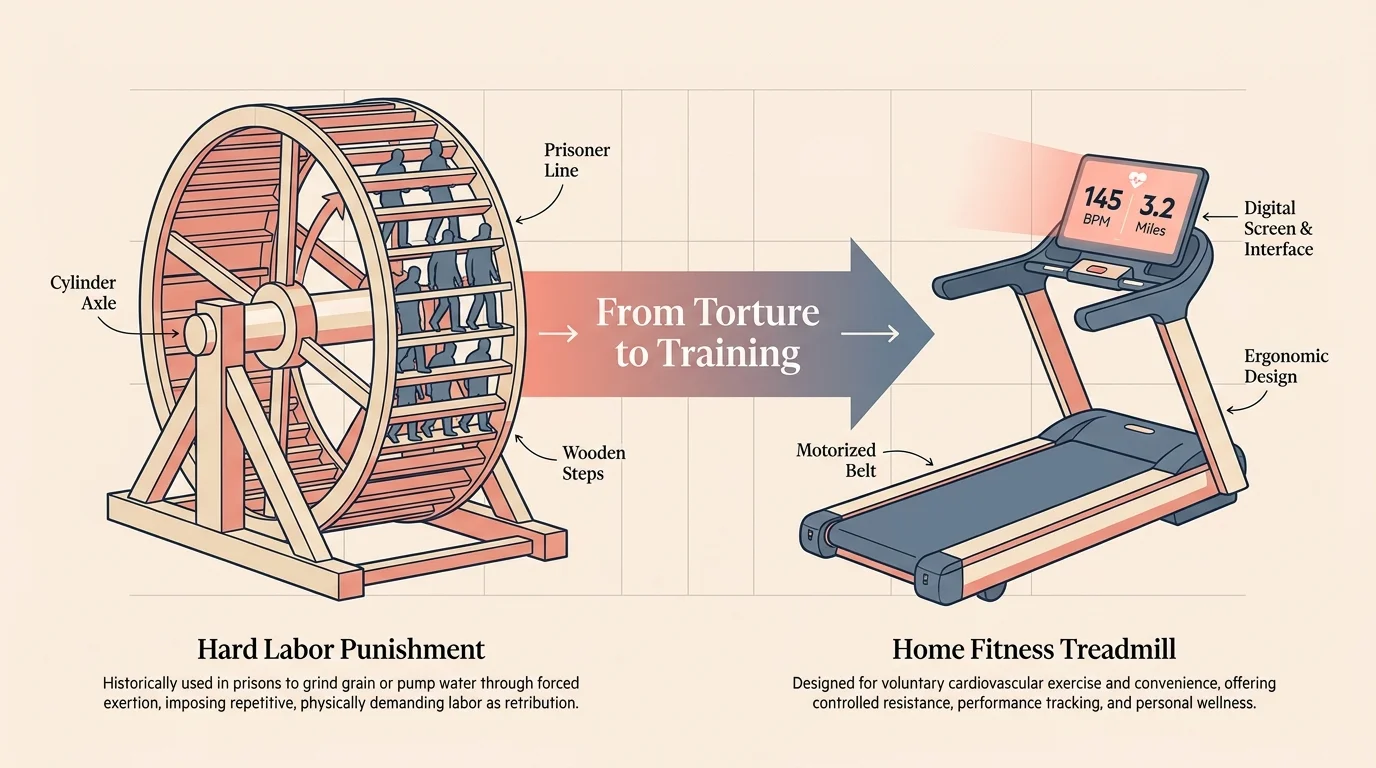
You likely associate the modern treadmill with cardiovascular health and local fitness centers. Yet, the Victorian era introduced the treadmill as an instrument of penal labor and severe psychological torment. In 1818, civil engineer Sir William Cubitt designed the “tread-wheel” to address widespread idleness among British prisoners. Inmates stepped continuously onto the wooden spokes of a massive, elongated cylinder, effectively climbing an endless, punishing staircase. The agonizing rotation ground grain, pumped water, or simply operated a heavy resistance mechanism to physically exhaust the prisoners. When the medical community finally recognized the distinct benefits of aerobic exercise in the mid-20th century, engineers successfully resurrected the underlying concept. They flattened the giant wheel into a moving rubber belt, officially transforming a dreaded Victorian punishment into a voluntary cardiovascular health tool.
High Heels
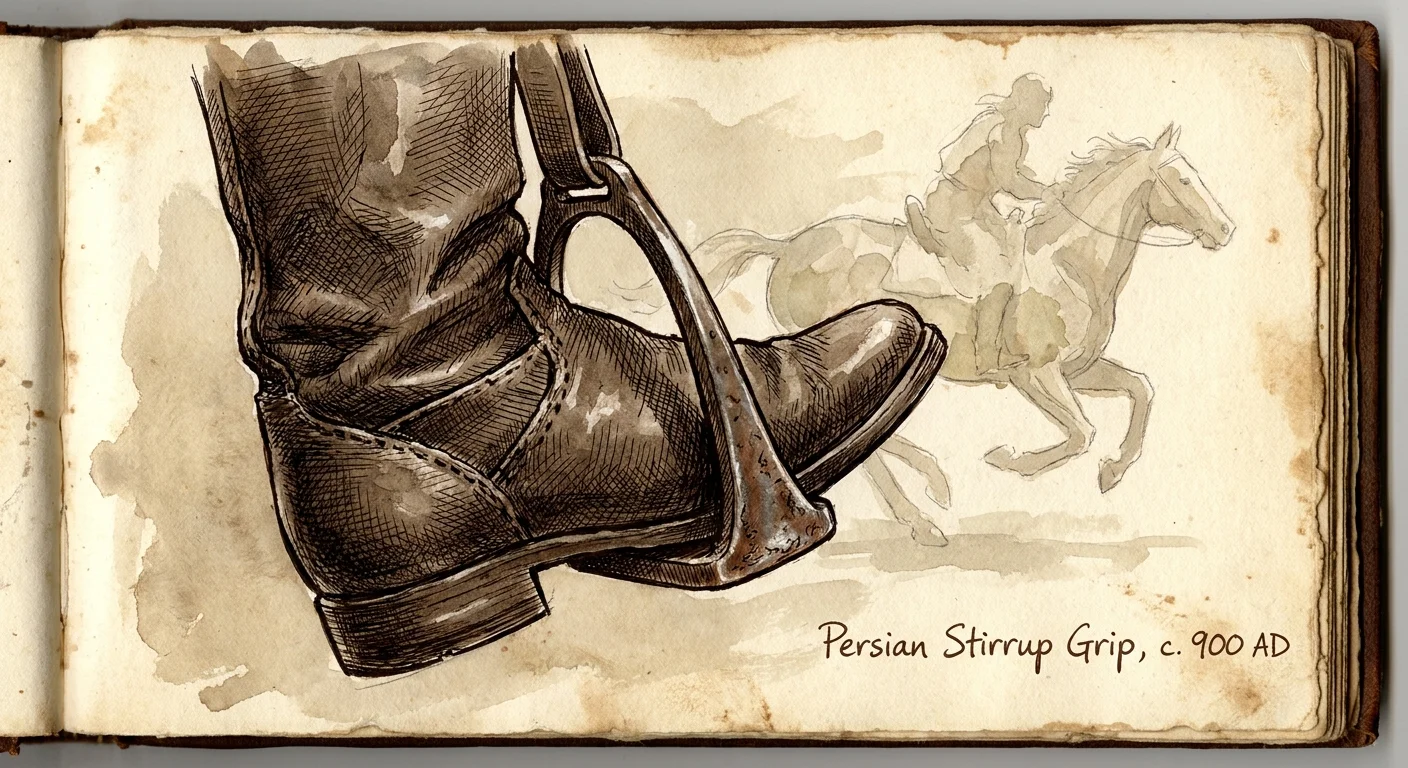
You view high-heeled shoes as a staple of modern fashion, primarily worn to elevate height and alter physical posture. Historical records, however, reveal that high heels originated as vital military gear for male combat soldiers. In the 10th century, Persian cavalrymen wore shoes with pronounced heels to lock their feet securely into their riding stirrups. This rigid stance allowed the archers to stand upright on galloping horses and accurately fire arrows at their enemies. Scholars at National Geographic note that when Persian diplomats toured Europe in the 1590s, European aristocrats enthusiastically adopted the heel as a symbol of rugged masculinity and military prowess. Only decades later did women begin wearing heels to adopt a more masculine aesthetic. Over centuries, the utilitarian riding tool completely shed its military associations to become the delicate fashion accessory you recognize today.
Bubble Wrap
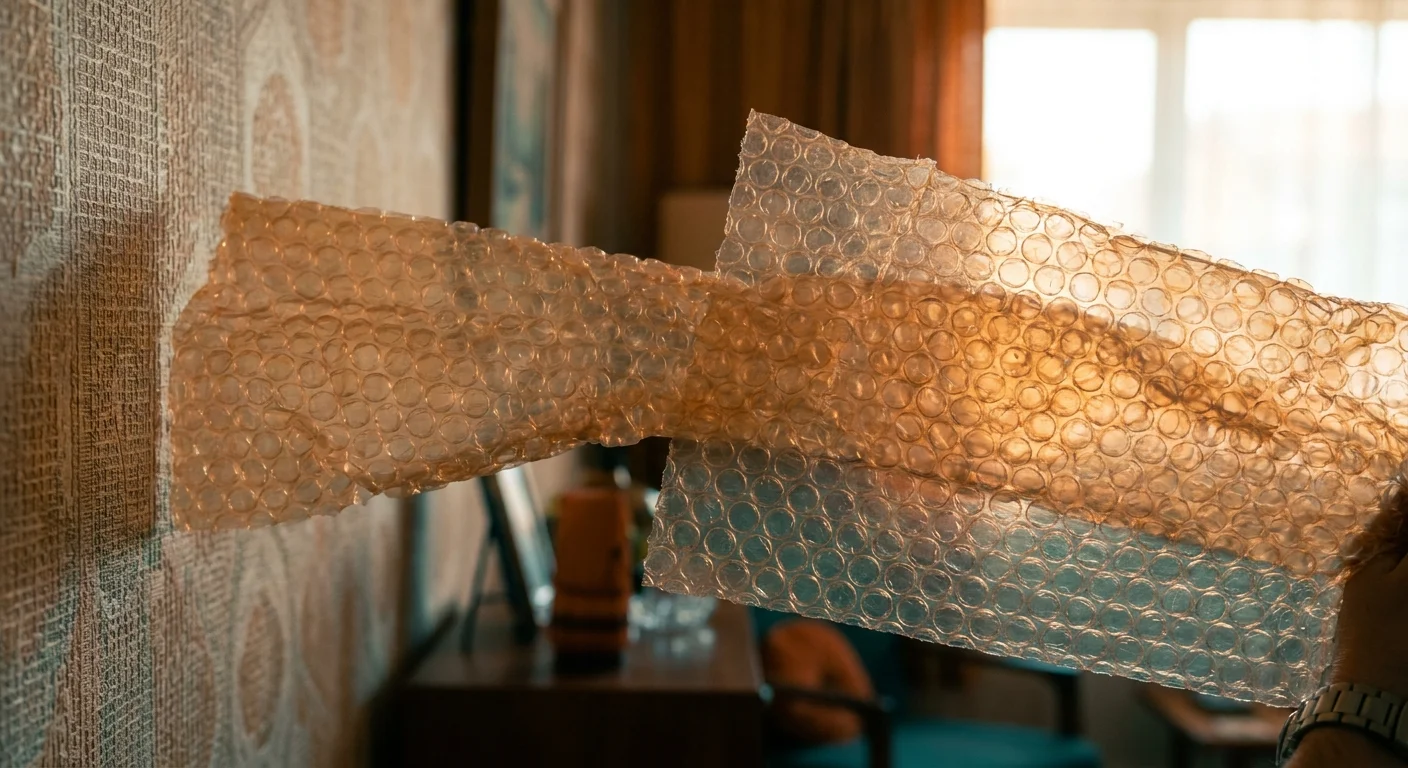
The satisfying pop of Bubble Wrap makes it a favorite packaging material and a universal stress reliever for people of all ages. Its original inventors, Marc Chavannes and Alfred Fielding, possessed entirely different commercial ambitions when they developed the material in 1957. They intentionally designed the textured plastic as a futuristic, three-dimensional wallpaper intended for high-end interior design. They sealed two shower curtains together, trapping small pockets of air between the layers. Unsurprisingly, consumers actively rejected the bizarre aesthetic of plastic bubbles covering their living room walls. Desperate to recoup their financial investment, the inventors attempted to market the material as greenhouse insulation, which also failed miserably. The breakthrough arrived when IBM needed a reliable way to ship their highly fragile new 1401 computer systems. The designers quickly rebranded their failed wallpaper as protective packaging, forever changing the global logistics industry.
The Pacemaker
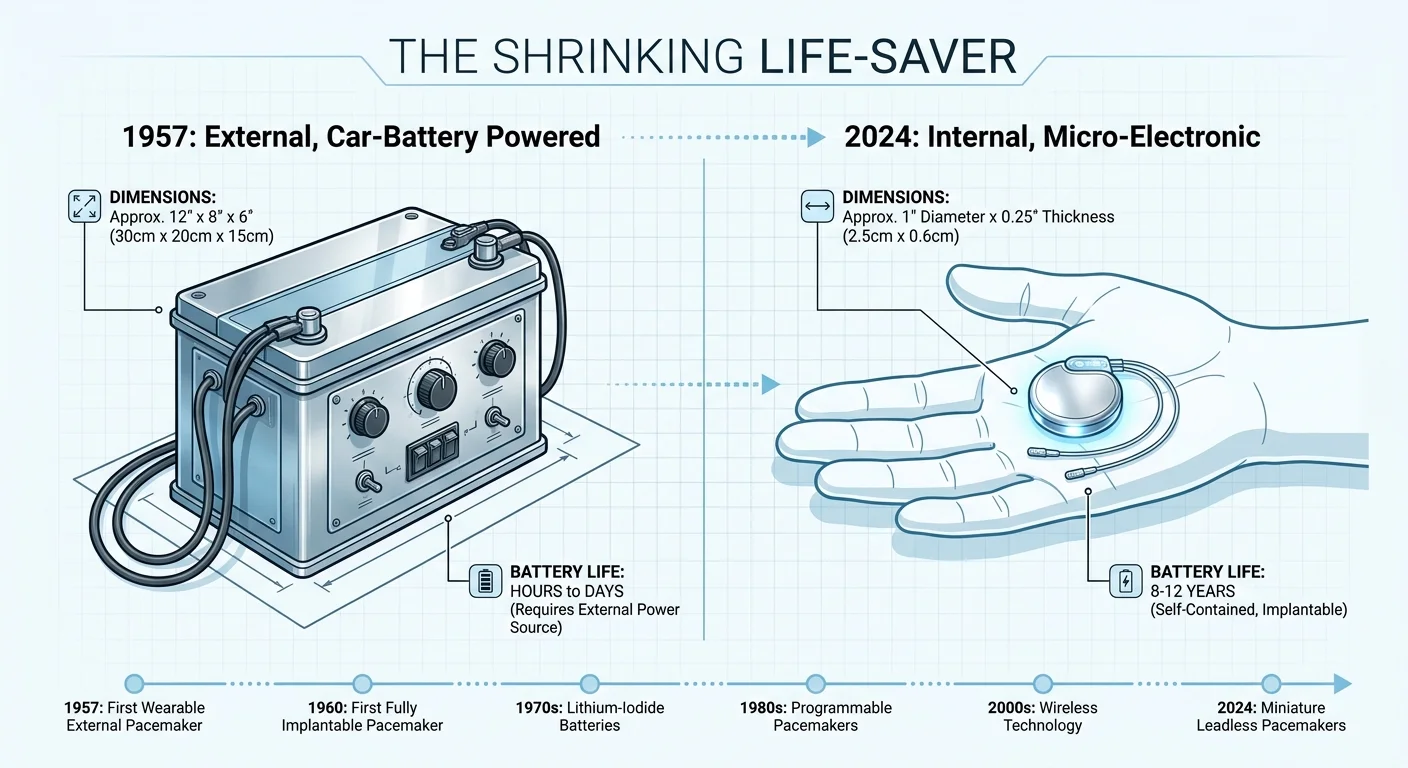
Modern pacemakers consist of a tiny, self-contained titanium disc surgically implanted directly into the human chest wall. The earliest iterations of this life-saving cardiac technology looked like terrifying industrial machinery. In 1932, Dr. Albert Hyman built a spring-loaded, hand-cranked motor that delivered electrical shocks through a massive needle plunged directly into the heart muscle. Later, in the 1950s, external pacemakers developed by John Hopps were the size of a standard microwave oven. Doctors plugged these massive boxes into standard hospital wall outlets, leaving vulnerable patients fully exposed to fatal cardiac arrest during routine power outages. Advances in transistor technology and miniature lithium batteries eventually allowed engineers to shrink the apparatus dramatically. The transition from a massive, tethered machine to an imperceptible internal device highlights the explosive pace of medical miniaturization over a single human lifetime.
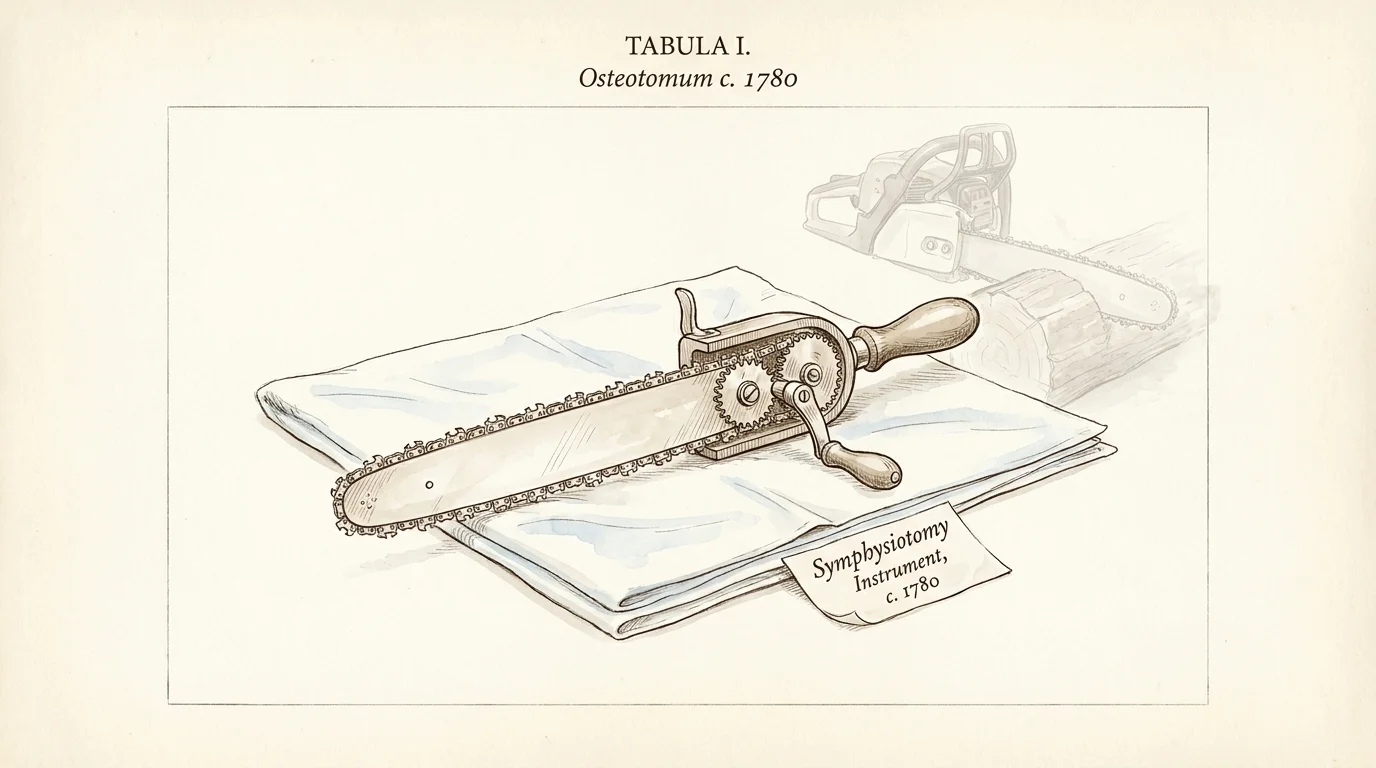
The Chainsaw
When you think of a chainsaw, you immediately picture rugged lumberjacks felling massive pine trees or hardware store aisles filled with brightly colored, gasoline-powered landscaping tools. The horrific reality is that two Scottish surgeons, John Aitken and James Jeffray, invented the original chainsaw in the late 18th century for direct use in the hospital delivery room. They created a small, hand-cranked device featuring a delicate chain with fine serrated teeth, designed specifically for a dangerous surgical procedure called a symphysiotomy. Medical historians cited by History document how doctors actively used this macabre mechanical tool to quickly slice through a laboring woman’s pelvic bone when a baby became dangerously trapped in the birth canal. The moving mechanical teeth allowed the surgeon to make a faster, cleaner cut than they could achieve with a traditional, rigid medical saw. It took over a full century for ambitious loggers to realize that scaling up this tiny surgical instrument and attaching a heavy-duty motor would completely revolutionize the global timber industry. Today’s massive logging saws share the exact fundamental mechanical DNA of a delicate, yet terrifying, Victorian surgical instrument.

Listerine
You purchase Listerine today to freshen your breath and eliminate oral bacteria, but its chemical formulation originally tackled much grubbier commercial tasks. Invented in 1879 by Dr. Joseph Lawrence, the potent alcohol-based formula debuted as a heavy-duty surgical antiseptic and a general-purpose floor cleaner. Hospital janitors scrubbed dirty wards with the exact same chemical composition you currently swish in your mouth. The Lambert Pharmacal Company later marketed the potent liquid as a cure for gonorrhea, a scalp dandruff treatment, and an insect bite remedy. The product truly exploded in popularity during the 1920s when clever advertising executives officially coined the medical-sounding term “halitosis” to describe bad breath. They essentially manufactured a nationwide social anxiety campaign, positioning their old floor cleaner as the ultimate personal hygiene cure. This marketing masterclass completely shifted the core identity of the chemical compound.
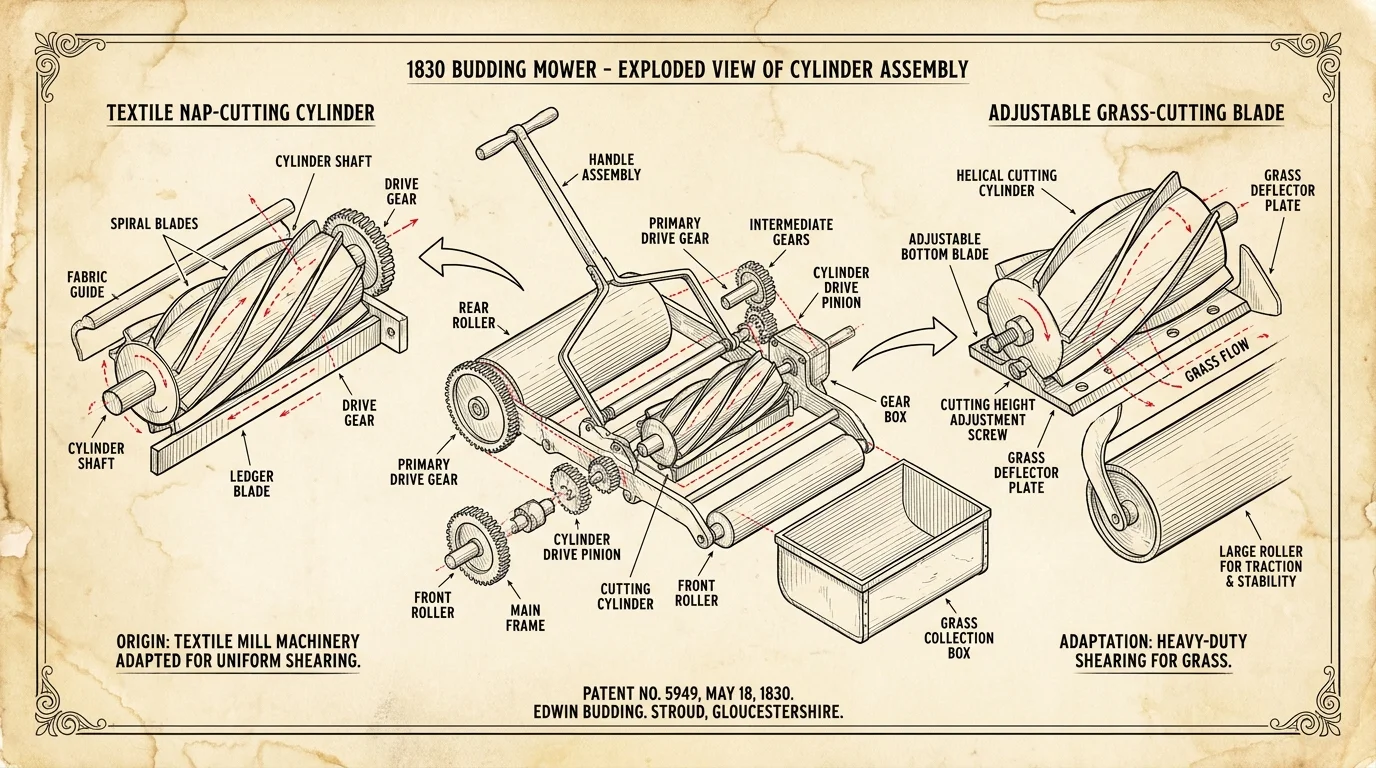
The Lawn Mower
Maintaining a neat suburban yard requires little physical effort today thanks to lightweight, motorized lawn mowers. The direct ancestor of your weekend yard tool, however, operated in a loud, industrial textile mill. In 1830, English engineer Edwin Budding observed a massive machine using a heavy cutting cylinder to trim the irregular nap off woven woolen cloth. Budding hypothesized that a similar rotational mechanism could slice grass uniformly. His original prototype was a heavy, unwieldy iron beast composed of solid cast-iron gear wheels. Groundskeepers had to push the massive apparatus with immense physical force, and larger commercial models required horses wearing special soft leather boots to avoid damaging the pristine turf. Budding’s brilliant translation of a factory textile trimmer into an outdoor landscaping tool eventually replaced the slow, manual labor of swinging a scythe, successfully giving birth to the modern manicured lawn.
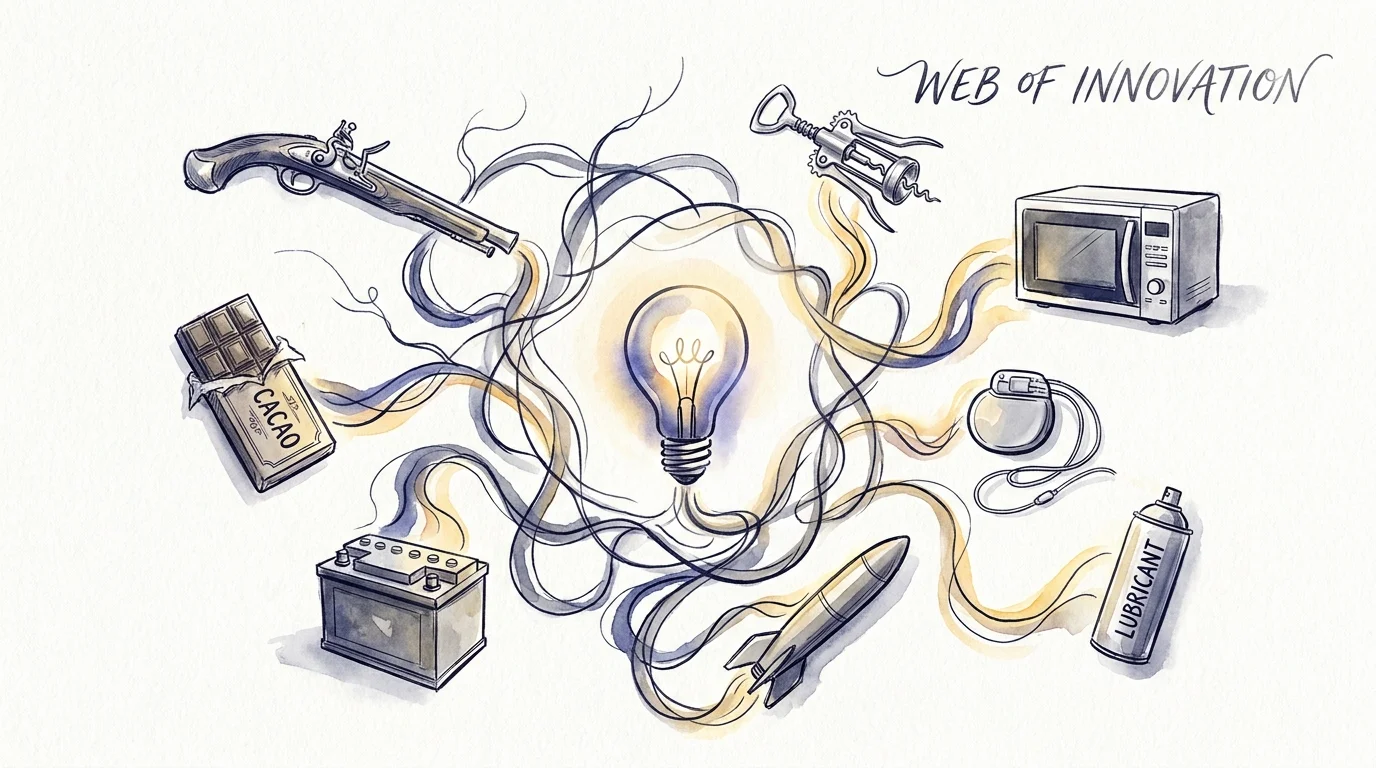
Interesting Connections
When you analyze the history facts behind these transformations, a clear pattern emerges regarding the intersection of military funding and civilian comfort. Governments heavily fund military research during periods of intense global conflict, essentially removing the typical financial constraints that hinder everyday civilian innovation. Engineers receive limitless resources to solve immediate, life-or-death problems on the active battlefield. Once these conflicts resolve, manufacturing companies frequently purchase these specialized patents and actively search for profitable commercial applications. You see this dynamic repeatedly with versatile materials like cyanoacrylate and cellucotton, where strict battlefield necessities eventually transform into mundane kitchen supplies or standard personal hygiene tools.
Another profound connection across these inventions involves the complex process of radical technological miniaturization. The earliest generation of any groundbreaking invention usually prioritizes raw mechanics and basic functionality over human ergonomics. You can clearly observe this lag between function and form when comparing a bulky, room-sized early pacemaker to the modern internal medical device. Similarly, the first computer mouse required heavy physical force to drag its wooden shell across a desk. Engineers initially build bulky, terrifying prototypes simply to prove that a scientific concept works. Only after achieving mechanical success do designers step in to refine the object, shrinking its components and molding the exterior to perfectly fit the human hand or body.
Finally, these objects highlight the undeniable power of commercial marketing and strategic product pivoting. The incredible success stories of Play-Doh and Listerine prove that the original inventor rarely understands the true commercial value of their own creation. Finding a massive new consumer audience often requires bold business leaders to strip away the original context of the product entirely. When a heavy-duty floor cleaner fails to generate sufficient revenue, a clever advertising campaign can rebrand the exact same chemical as a daily mouthwash. Embracing these radical pivots allows companies to salvage failing patents and seamlessly integrate weird facts of history into everyday modern life.
Frequently Asked Questions
Why do so many inventions originate from military research?
Military organizations operate with massive, goal-oriented budgets that allow engineers to take significant technological risks. When researchers attempt to solve critical problems like preventing missile corrosion or stabilizing ship instruments, they frequently invent versatile new materials in the process. Once the initial military application concludes, private companies adapt these durable, high-quality materials into affordable everyday objects for the general public, effectively subsidizing consumer innovation with defense spending.
How does an object successfully transition from a medical tool to a consumer product?
A successful transition requires a total aesthetic redesign and a brilliant marketing strategy. Medical devices prioritize clinical sterility, mechanical precision, and raw durability over visual appeal. To convince average consumers to bring a surgical tool or clinical chemical into their private homes, companies must soften the product’s intimidating image. They actively alter the packaging, inject pleasant artificial scents, and heavily rebrand the core functionality to appeal to everyday hygiene concerns.
What role does accidental discovery play in everyday objects?
Serendipity acts as one of the most powerful driving forces in the history of design and mechanical engineering. Inventors frequently set out to solve one highly specific problem, only to create a unique byproduct that addresses a completely different market need. When an experiment fails its primary objective—such as a sticky substance ruining a gun sight—astute observers look for alternative commercial applications rather than immediately discarding the strange result.
How can understanding history facts about inventions help modern entrepreneurs?
Studying the bizarre origins of familiar consumer products teaches you to remain highly flexible regarding the ultimate use case of your own ideas. If you engineer a tool that completely fails in its intended market, historical data strongly suggests you should test the prototype in entirely unrelated industries before abandoning the project. Recognizing that a failed plastic wallpaper can rapidly become a multi-billion-dollar packaging industry encourages modern creators to pivot boldly and ignore early failures.
Keywords: everyday objects, weird facts
Meta Description: Discover the fascinating history facts behind 9 everyday objects that transformed in design and purpose from their original inventions.
