
In this article 4 sections
Cold War nuclear weapons tests left an unexpected chemical mark across the world’s oceans. Today, marine biologists use this fallout to show you how long apex ocean predators actually survive.
Scientists recently tested the teeth of an old killer whale that stranded in Scotland. The chemical traces revealed that this male likely lived past 65 years of age.
That surprising discovery makes him potentially the oldest male orca ever recorded. The find also shows you how atomic tests from decades ago still aid modern marine biology.
Fast Facts
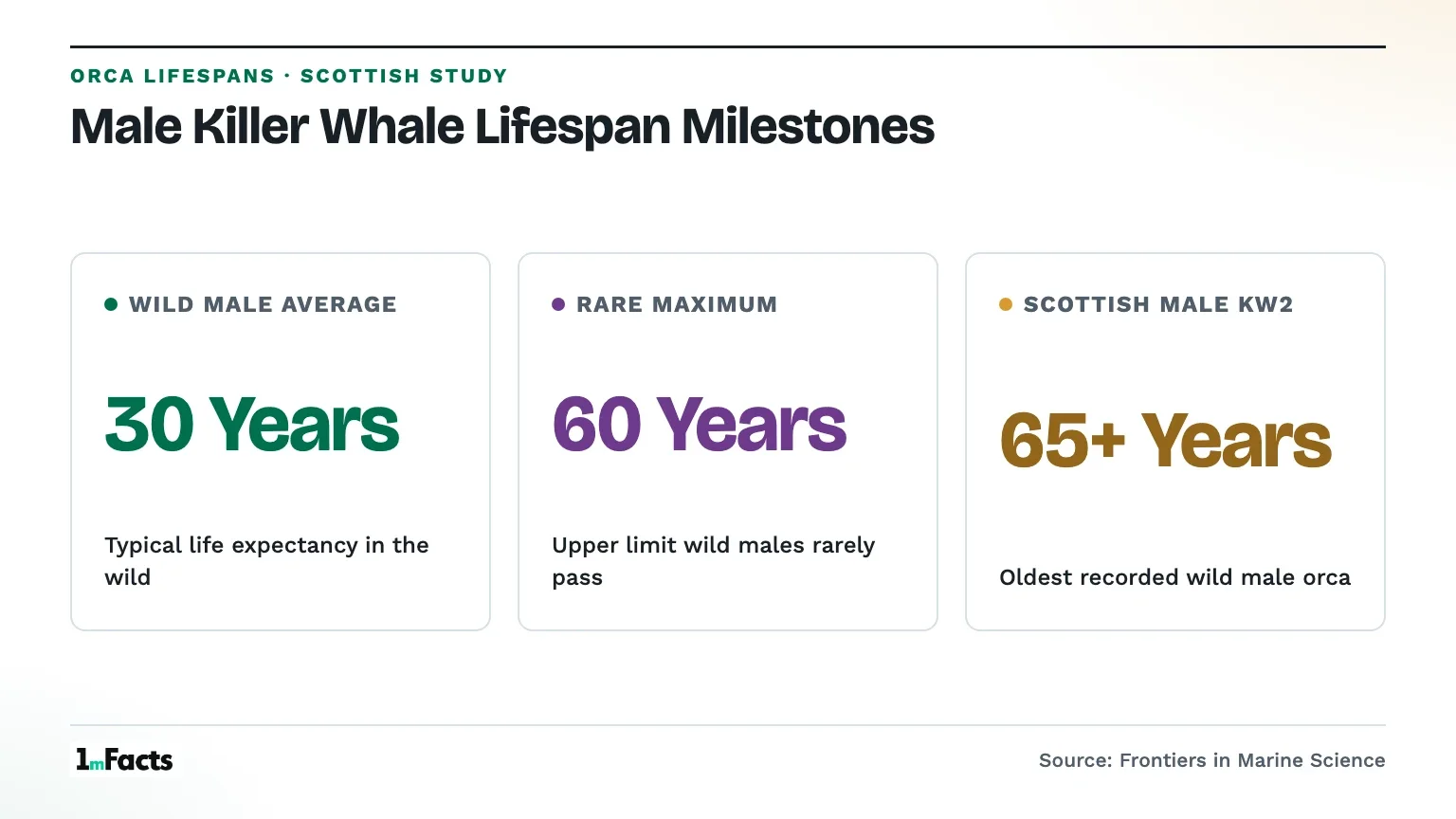
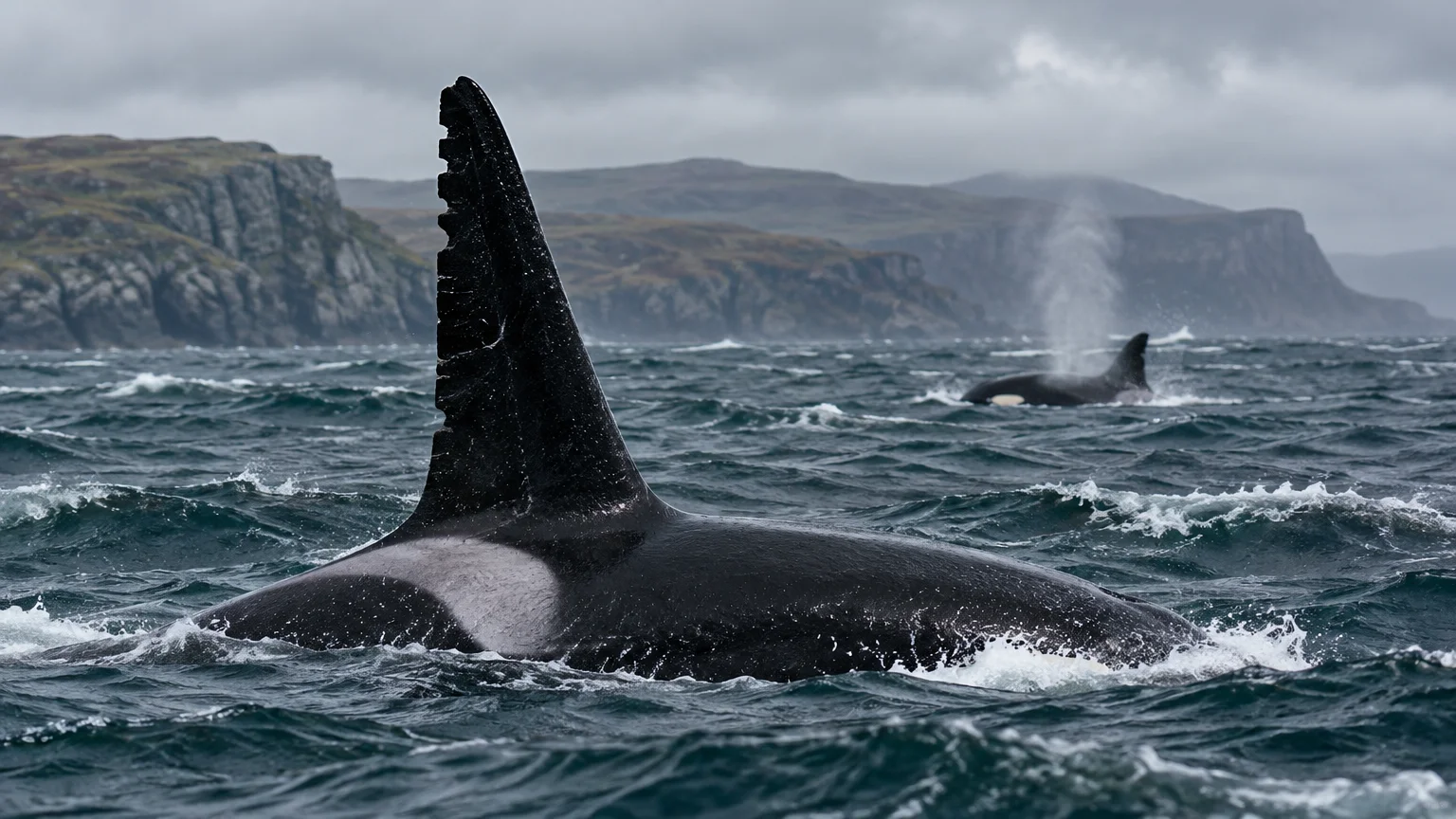
A male orca named KW2 stranded on South Uist in Scotland in 2015. Scientists counted 52 growth rings in his teeth, pointing to an age in his early fifties.
Pre-bomb carbon levels in his oldest tooth layers showed he was born earlier. Researchers determined he lived to be at least 65 years old.
Wild male orcas average 30 years and rarely pass 60. This male is now recognized as potentially the oldest male killer whale on record.
Nuclear tests in the 1950s and early 1960s doubled global radiocarbon levels. This sharp rise created a chemical marker known as the bomb pulse.
The landmark study appeared in Frontiers in Marine Science in October 2026. Researchers from several Scottish universities led the breakthrough project.
Scientists tested five stranded whales in Scotland between 1994 and 2016. The animals included three killer whales and two sperm whales.
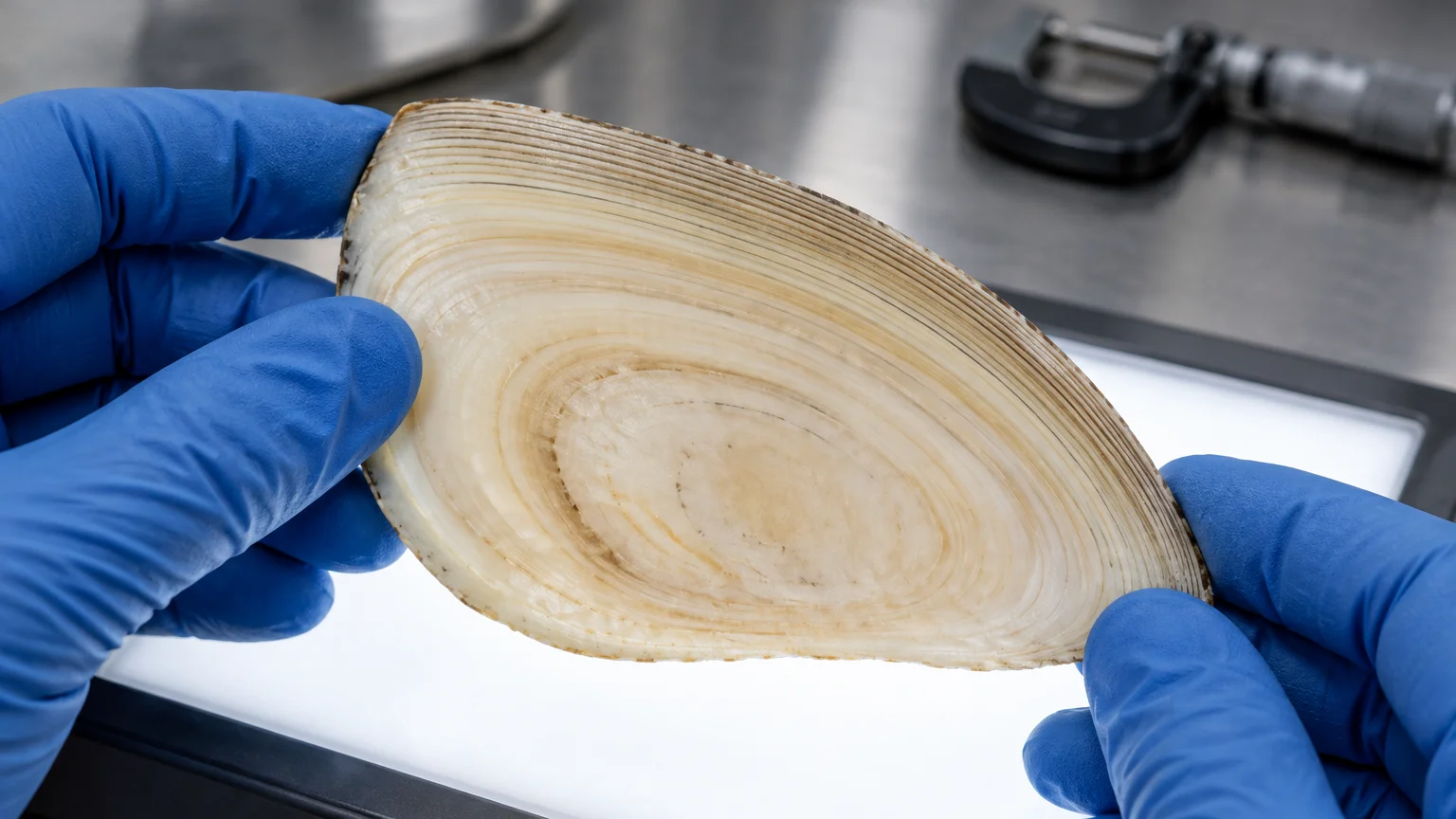
If you cut open an orca tooth, you see layers like tree rings. These layers compress as whales age, making visual counts difficult.
Female killer whales regularly live into their eighties and nineties. The famous Pacific female Granny reached an estimated age of over 100 years.
A female orca named Lulu stranded on Tiree in 2016 at roughly 34 years old. Her teeth carried high radiocarbon from local nuclear waste rather than bomb tests.
Scientists used this same radiocarbon method on Greenland sharks in 2016. That work proved the sharks can live for nearly 400 years.
Context and Background
During the Cold War, nations detonated hundreds of nuclear weapons in the open air. These tests peaked in 1963 before treaties pushed testing underground.
The nuclear explosions pumped large amounts of carbon-14 into the atmosphere. Over several years, ocean currents and sea life absorbed this nuclear fallout.
Plankton absorbed the extra carbon first, passing it up the marine food web. Larger animals took the chemical signal into their growing bones and teeth.
If you examine an orca tooth, new layers grow outward from the pulp cavity each year. Biologists count these bands to track an animal’s age.
As an orca grows older, the pulp cavity narrows and eventually closes. Later tooth layers turn extremely thin, hiding the animal’s true age from your view.
When researchers examined the male orca KW2, they counted 52 visible bands. That initial count suggested he was born around the early 1960s.
However, chemical tests told a very different story. The earliest layers of his teeth lacked the high carbon-14 levels created by atomic blasts.
Because his first tooth layers held pre-bomb carbon, he was born before the tests spiked. This placed his age at 65 or older when he died.
The finding proved that older male orcas can survive well past expected limits. It also proved that standard tooth counting can underestimate how long whales live.
Interesting Connections
When you look at wild killer whales, females outlive males by decades. While males rarely pass 60, females can thrive past 80 years of age.
Older females lead family pods and share hunting knowledge with younger members. Biologists believe this guidance helps pods find food during lean salmon runs.
Long-term data from NOAA Fisheries shows male survival drops sharply after their mothers die. This bond makes senior males like KW2 especially unusual.
The same Scottish study also examined Lulu, a female that stranded in 2016. Her teeth revealed a different kind of atomic history.
Instead of a normal bomb pulse, Lulu absorbed radioactive waste from the Sellafield nuclear site. Her body also carried severe chemical pollution.
Lulu belonged to the West Coast Community, a unique group of British killer whales. After her death, only two males, John Coe and Aquarius, remained alive.
Both surviving males are over 50 years old, and the group has produced no calves. Scientists fear the small community will soon vanish entirely.
Bomb pulse dating continues to transform what you know about marine life. In 2016, researchers tested the eye lenses of Greenland sharks with the same method.
That research revealed Greenland sharks can survive for roughly 392 years. Mid-century nuclear testing accidentally gave marine science an enduring natural clock.
Frequently Asked Questions
How do scientists use nuclear bomb tests to date whales?
Mid-century atomic tests doubled atmospheric carbon-14 levels worldwide. As marine life absorbed this carbon, it created a lasting chemical timestamp in growing whale teeth.
What is the normal orca lifespan for wild males?
Wild males live an average of 30 years and rarely exceed 50 or 60. The male in the Scottish study lived to at least 65 years old.
Why can’t scientists just count the rings in an orca’s tooth?
Tooth layers compress as an orca enters old age. The inner tooth cavity eventually seals shut, preventing new visible layers from forming.
Did the Cold War tests reveal an exact birth year for the whale?
No, radiocarbon testing did not provide a precise birth year for KW2. It simply showed his oldest layers formed before the bomb pulse, proving his advanced age.