

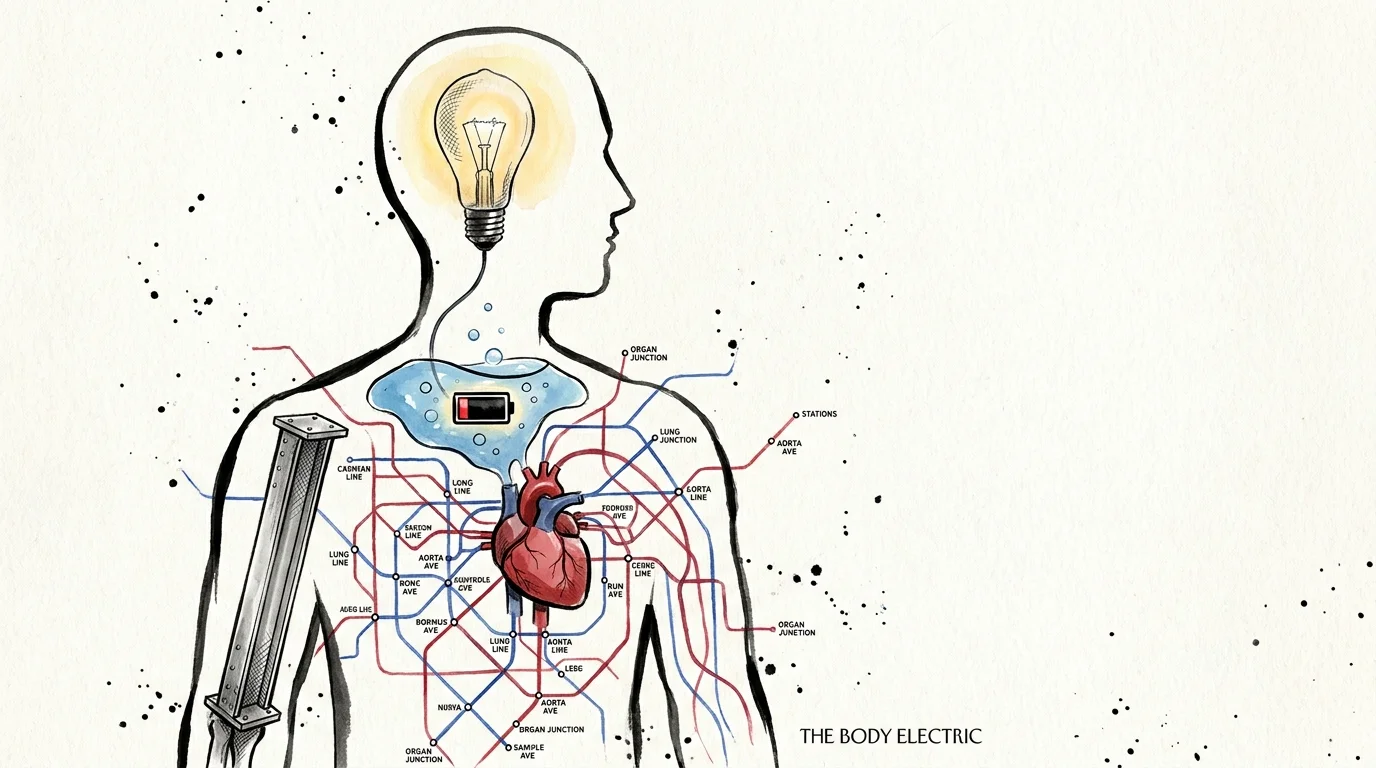
Your body is a deeply complex biological machine capable of performing astonishing feats every single second. You produce enough saliva over your lifetime to fill two swimming pools, and your brain generates enough electricity to power a small lightbulb. Understanding these surprising human body facts transforms the way you view your daily health routines and physical capabilities. By recognizing the intricate and sometimes weird science facts behind your own anatomy, you gain practical insights into hydration, cognitive function, and cellular regeneration. You will learn exactly how your stomach acid rivals battery acid, why your bones are stronger than steel, and how this knowledge empowers you to make smarter, data-driven decisions about your personal well-being.
[Ad Placeholder]
Fast Facts
Your stomach produces highly corrosive hydrochloric acid—registering between 1.0 and 2.0 on the pH scale—which is potent enough to dissolve single-sided razor blades within hours. This extreme acidity acts as your primary defense against harmful pathogens ingested with food, breaking down complex proteins so your intestines can absorb essential nutrients.
Your brain constantly fires electrical impulses to communicate across complex neural pathways, generating enough electricity to power a low-wattage LED lightbulb. Harnessing this 12 to 25 watts of continuous cognitive energy requires significant fuel, which is why your brain consumes twenty percent of your daily caloric intake despite accounting for only two percent of your total body weight.
You constantly regenerate your outer layer by shedding between 30,000 and 40,000 dead skin cells every minute, totaling nearly nine pounds of lost epidermal tissue each year. This rapid cellular turnover protects you from environmental damage and prevents bacterial buildup, highlighting the importance of regular exfoliation and moisturizing in your daily skincare regimen.
The human retina contains specialized cone cells that allow you to distinguish approximately 10 million different colors with astonishing accuracy. This evolutionary adaptation helped early humans spot ripe fruits and dangerous predators in dense forests, and today it enriches your visual experience while demanding proper ocular nutrition like vitamin A to maintain peak function.
If you laid all the arteries, veins, and capillaries in an average adult end-to-end, they would stretch roughly 60,000 miles—enough to circle the Earth more than twice. This vast circulatory network ensures that oxygen and nutrients reach every single cell in your body, underscoring why regular cardiovascular exercise is crucial for maintaining optimal blood flow and arterial health.
Human bone is an extraordinarily dense composite material that is, gram for gram, significantly stronger than solid steel. The unique combination of rigid calcium phosphate and flexible collagen fibers allows your skeletal system to absorb massive impacts without shattering, meaning weight-bearing exercises actively stimulate osteoblasts to build even stronger bone mass.
Your olfactory bulb contains millions of specialized receptors capable of recognizing and remembering over 50,000 distinct scents throughout your lifetime. Because the olfactory nerve connects directly to the brain’s emotional center, specific smells trigger vivid memories and physiological responses, demonstrating how aromatherapy can practically influence your mood and stress levels.
The liver stands alone as the only internal organ capable of complete regeneration, able to regrow to its full size even if seventy-five percent of its tissue is removed. You can support this incredible detoxifying powerhouse by moderating alcohol consumption and staying hydrated, allowing the liver to continually filter toxins from your bloodstream without sustaining permanent fibrotic damage.
Nerve impulses zip through your nervous system at speeds approaching 250 miles per hour, allowing you to react almost instantaneously to sudden environmental hazards. This lightning-fast communication relies on a healthy myelin sheath coating your nerves, which you can actively protect by consuming omega-3 fatty acids found in fish and walnuts.
A single strand of human hair possesses immense tensile strength, capable of supporting up to three ounces of weight before snapping under tension. When multiplied across the 100,000 follicles on a typical scalp, your hair could theoretically support the weight of two elephants, provided the strands are properly nourished with dietary keratin and biotin.
Spinal discs compress under the persistent force of gravity throughout the day, leaving you roughly half an inch shorter by the time you go to sleep at night. While lying horizontally, these spongy cartilage discs reabsorb fluid and expand back to their original size, making consistent, quality sleep essential for maintaining spinal alignment and joint health.
Humans are the only species scientifically proven to shed emotional tears, a biological mechanism that literally flushes stress hormones like cortisol out of your system. Embracing the occasional cry serves as a highly effective, natural pressure-release valve for your nervous system, allowing you to physically excrete toxic emotional byproducts and restore psychological equilibrium.
[Ad Placeholder]
Context and Background
The human body represents millions of years of rigorous evolutionary refinement, adapting to brutal environments, dietary shifts, and constant pathogenic threats. Every bizarre biological feature—from corrosive stomach acid to steel-like bone density—emerged as a highly specific solution to a survival problem. When early hominids transitioned from foraging to hunting and cooking, the digestive tract shrank, and the brain exploded in size and complexity. This neurological expansion required a massive reallocation of metabolic resources, forcing the human body to become incredibly efficient at harvesting and storing energy. You carry this ancient metabolic legacy today, which is why your brain demands a constant supply of glucose to maintain its impressive electrical output. Understanding this evolutionary background gives you practical leverage over your health; by aligning your modern diet with your ancestral biology, you can optimize cognitive performance and sustain higher energy levels throughout the day. By recognizing how your ancestors utilized physical exertion to hunt and gather, you can better structure your workout routines to mimic this natural, evolutionary stress, thereby unlocking your body’s dormant potential.
The microscopic world within you operates with relentless precision, driven by cellular instructions encoded in your DNA. Biologists only began to grasp the true scale of human cellular regeneration with the advent of electron microscopy in the twentieth century. Researchers observed that the body is not a static structure but a highly dynamic ecosystem, replacing billions of cells every 24 hours. Your skin, intestines, and blood are in a state of perpetual renewal, a process that demands raw materials like amino acids, lipids, and micronutrients. When you consume a nutrient-dense diet, you directly supply the building blocks necessary for this rapid turnover. Conversely, poor nutritional choices force your body to build new tissues with subpar materials, leading to accelerated aging and compromised organ function. By viewing your body as an active construction site, you realize that your daily habits literally dictate the structural integrity of your future self. Hydration plays an equally critical role in this microscopic ecosystem; water acts as the primary transport mechanism for delivering nutrients to newly forming cells and flushing out metabolic waste from dying ones.
Medical science continually uncovers surprising facts about human anatomy, often challenging deeply entrenched physiological assumptions. For decades, scientists underestimated the regenerative capacity of the nervous system and the true tensile strength of biological materials like hair and bone. Advanced biomechanical testing now reveals that human bone achieves its extraordinary strength through a complex internal matrix of trabecular architecture, which distributes mechanical stress across a wider surface area. This structural brilliance explains why bones can absorb the immense forces generated during sprinting or jumping without fracturing. You can harness this biomechanical principle by engaging in progressive resistance training; placing controlled physical stress on your skeleton forces osteoblasts to reinforce this internal matrix, actively increasing your bone mineral density and preventing osteoporosis as you age. Furthermore, scientists now understand that bones act as endocrine organs, releasing osteocalcin—a hormone that actively regulates your blood sugar levels and improves cognitive function.
The interplay between your sensory organs and your central nervous system provides another fascinating layer of context to body science. Your eyes and nose do not operate in isolation; they are direct extensions of your brain, gathering massive amounts of environmental data for instantaneous processing. The retina acts as advanced biological film, while the olfactory bulb serves as a rapid-response chemical analyzer. This sensory network evolved to keep you alive in a dangerous world, instantly identifying the scent of smoke or the subtle color shift of rotting food. Today, you can protect these highly tuned sensory instruments by minimizing your exposure to neurotoxins and prioritizing foods rich in antioxidants. Shielding your eyes from excessive ultraviolet radiation and engaging your sense of smell through diverse culinary experiences actively preserves the neural pathways connecting your senses to your brain. This intricate sensory web also explains why visual stimulation can physically alter your heart rate and blood pressure, reinforcing the profound connection between your environment and your cardiovascular health.
Ultimately, the background of human anatomy is a story of incredible resilience and adaptability. Your organs work in a beautifully synchronized symphony to maintain homeostasis, constantly adjusting your internal temperature, blood pressure, and pH levels against fluctuating external conditions. The liver’s unmatched ability to regenerate, the stomach’s capacity to contain highly destructive acid, and the circulatory system’s vast network all demonstrate a biological design optimized for survival and recovery. You are the custodian of this remarkable biological machine. When you implement evidence-based health practices—such as prioritizing cardiovascular conditioning, eating whole foods, and ensuring adequate recovery time—you actively support the complex physiological systems that keep you alive, healthy, and thriving in an unpredictable world. You possess an incredible biological asset, and by respecting its complexities and nourishing its systems, you ensure a higher quality of life and sustained vitality well into your later years.
[Ad Placeholder]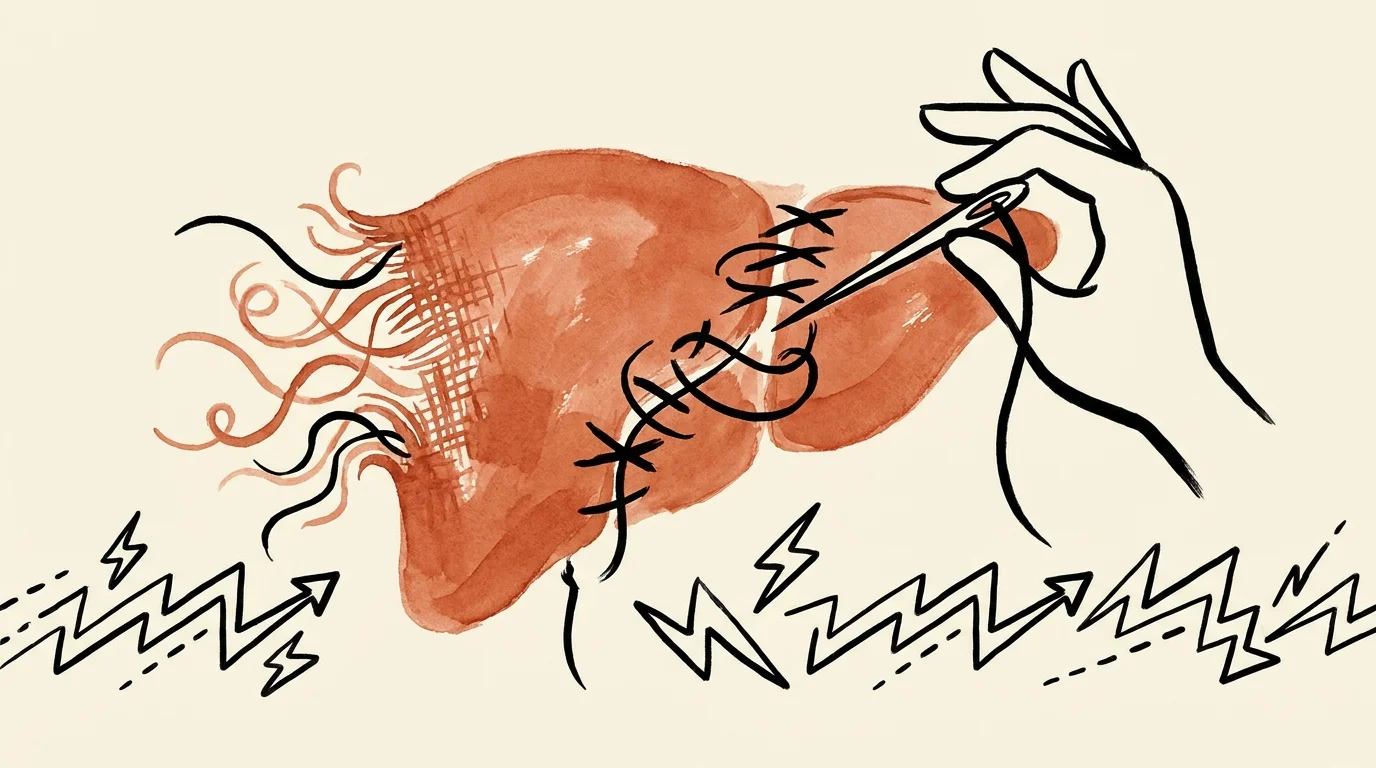
Interesting Connections
The bizarre realities of human anatomy share profound connections with modern engineering, architecture, and technology. Engineers frequently look to the human body for inspiration when designing advanced materials and complex systems, a practice known as biomimicry. For example, the structural design of human bone heavily influences the development of lightweight, high-strength materials used in aerospace engineering. The spongy, lattice-like interior of your femur provides an optimal strength-to-weight ratio, allowing aircraft manufacturers to design airplane wings that are incredibly durable yet light enough to maximize fuel efficiency. By studying the precise ways your body distributes weight and absorbs impact, engineers create safer vehicles, more resilient buildings, and advanced prosthetic limbs that closely mimic natural human movement. You can appreciate this connection every time you cross a modern suspension bridge; the tension and compression forces at play mirror the exact relationship between your muscles, tendons, and bones. Architects actively study the human spine’s curvature to design flexible yet sturdy skyscrapers capable of swaying during earthquakes without collapsing, proving that your skeletal structure is a masterclass in structural engineering.
Another fascinating intersection lies between your body’s sensory capabilities and advancements in artificial intelligence. Computer scientists and neurobiologists collaborate extensively to map the human brain, attempting to replicate its unparalleled processing power and energy efficiency. While modern supercomputers require massive cooling towers and megawatts of electricity to process complex data, your brain performs trillions of calculations per second using only 20 watts of power. This astonishing efficiency drives the development of neuromorphic computing, where microchips are designed to process information in parallel pathways similar to human neurons. When you learn a new skill or solve a complex problem, you are utilizing an organic computing network that currently outperforms the most advanced artificial intelligence in terms of raw energy economy and adaptive learning. Recognizing this immense cognitive power should encourage you to continuously challenge your mind with new puzzles, languages, or physical skills, which actively builds new neural synapses and prevents cognitive decline.
The physiological facts of your body also intimately connect to psychology and mental health, particularly through the intricate gut-brain axis. Your gastrointestinal tract contains its own complex neural network, often referred to as the “second brain,” which operates independently to manage digestion while constantly communicating with your primary brain via the vagus nerve. This connection explains why emotional stress frequently manifests as physical stomach discomfort, and why your diet directly impacts your mood and cognitive clarity. A significant portion of your body’s serotonin—a crucial neurotransmitter regulating happiness and anxiety—is produced within the gut. By prioritizing a diet rich in probiotic foods and dietary fiber, you actively cultivate a healthy microbiome, thereby reducing systemic inflammation and fostering better psychological resilience in the face of daily stressors. Scientists are even exploring how targeted probiotic treatments can alleviate symptoms of clinical depression and anxiety, turning your digestive tract into a primary frontier for modern psychiatric therapy.
Furthermore, the body’s innate defense mechanisms connect directly to the broader ecosystem and the microscopic world of bacteria and viruses. The extreme acidity of your stomach does not just break down food; it serves as an evolutionary barrier that connects human survival to the microbial environment. Throughout history, the human immune system has engaged in a continuous arms race with pathogens, shaping the genetic makeup of modern populations. This ongoing interaction is why exposure to a diverse array of environmental microbes during childhood helps calibrate the immune system, preventing the overactive responses that lead to allergies and autoimmune conditions. You can support this vital connection by spending time in nature and avoiding the overuse of harsh antibacterial sanitizers, allowing your immune system to interact safely with the natural world and maintain its protective vigilance. Your body essentially acts as a walking ecosystem, hosting trillions of beneficial bacteria that actively aid in digestion and crowd out harmful invaders, proving that you are never truly navigating the world alone.
Finally, the weird science facts governing your anatomy connect deeply to the concept of circadian biology and planetary rhythms. Your body operates on a strict 24-hour internal clock, heavily influenced by the natural cycles of light and darkness. The fact that you are taller in the morning due to spinal decompression is just one physical manifestation of these daily cycles. Hormonal fluctuations, core temperature changes, and cellular repair processes are all tightly synchronized with the rotation of the Earth. When you expose your eyes to natural sunlight early in the morning, you actively reset this internal clock, signaling your brain to halt melatonin production and release energy-boosting cortisol. Understanding this profound connection to planetary rhythms allows you to optimize your sleep hygiene, improve your metabolic health, and align your daily activities with your body’s natural biological peaks. By limiting blue light exposure from digital screens in the evening, you prevent artificial interference with these planetary rhythms, allowing your body to transition smoothly into the deep, restorative sleep necessary for cellular repair.
[Ad Placeholder]Frequently Asked Questions
How can stomach acid be strong enough to dissolve metal but not destroy the stomach itself?
Your stomach prevents self-destruction by constantly secreting a thick, highly specialized layer of alkaline mucus that coats its inner walls. This mucosal barrier neutralizes the aggressive hydrochloric acid before it can reach the sensitive epithelial tissues of the stomach lining. Additionally, the cells lining your stomach reproduce at an incredibly rapid rate, completely replacing the surface layer every few days to repair any minor acidic damage. When you experience conditions like ulcers or severe acid reflux, it usually indicates a failure in this protective mucus barrier or an overproduction of acid, often exacerbated by chronic stress, poor diet, or bacterial infections like H. pylori. Managing your stress levels through mindfulness practices can directly lower cortisol, which in turn helps regulate your stomach acid production and preserves your vital mucosal lining.
If the liver can regenerate, why is liver disease still a major health issue?
While the liver possesses remarkable regenerative capabilities, it has distinct biological limits. When you subject your liver to chronic, long-term damage through excessive alcohol consumption, viral infections, or metabolic disorders, the organ continuously attempts to repair itself. Over time, this relentless cycle of damage and repair leads to the buildup of rigid scar tissue, a condition known as cirrhosis. Once severe cirrhosis develops, the scar tissue fundamentally alters the liver’s architecture, restricting blood flow and physically preventing the healthy cells from regenerating. You can protect your liver by maintaining a healthy body weight and avoiding excessive hepatotoxins, ensuring the organ never reaches this irreversible tipping point. Regular blood tests can help you monitor elevated liver enzymes, providing an early warning system to adjust your lifestyle before permanent scarring occurs.
Why does the brain consume so much energy if it is relatively small?
The human brain requires a disproportionate amount of energy—roughly twenty percent of your daily caloric intake—because maintaining electrical potentials across billions of neurons is incredibly metabolically expensive. Even when you are resting or sleeping, your brain continuously pumps sodium and potassium ions across cellular membranes to keep neurons ready to fire at a moment’s notice. This constant state of electrical readiness allows for instantaneous thought, memory consolidation, and autonomic bodily control. To fuel this high-demand organ, you must consume a steady supply of complex carbohydrates and healthy fats, which the body converts into the glucose and ketones necessary to keep your cognitive engine running smoothly. Dehydration drastically impairs this electrical signaling, which is why drinking a glass of water often immediately resolves brain fog and sharpens your concentration.
How can I physically observe my height changing throughout the day?
You can track this physical phenomenon by accurately measuring your height immediately after waking up in the morning and comparing it to a measurement taken right before bed. Ensure you stand barefoot against a flat wall, keeping your posture identical for both measurements. Throughout the day, gravity and the physical weight of your body slowly squeeze the fluid out of the spongy intervertebral discs located between your spinal bones, causing a noticeable reduction in your overall height by up to half an inch. You can mitigate excessive spinal compression by practicing good posture, staying adequately hydrated, and incorporating stretching routines like yoga into your daily fitness regimen. Building strong core muscles provides crucial support to your spinal column, taking the physical burden off your discs and keeping you standing tall throughout the day.
Does the human body really replace every single cell over a period of seven years?
The idea that your entire body replaces itself every seven years is a popular misconception built on a grain of truth. Different tissues in your body regenerate at drastically different rates. Your skin cells replace themselves every few weeks, and your red blood cells turn over approximately every 120 days. However, other vital tissues—such as the neurons in your cerebral cortex, the inner lens of your eye, and your heart muscle cells—stay with you for your entire life with virtually no cellular turnover. Understanding these varying lifespans highlights why protecting non-regenerative tissues through wearing sunglasses, managing cardiovascular health, and exercising your brain is so critical for long-term longevity. You cannot rely on cellular regeneration to fix every part of your body; adopting proactive protective measures is the only way to maintain your most vital and irreplaceable biological components.
