

Interesting Connections
Analyzing the evolutionary biology of these unique creatures provides a deeper understanding of how nature solves survival puzzles. The fecundity advantage hypothesis is central to studying species with larger females. This scientific principle states that natural selection favors larger females because increased body volume correlates with the capacity to produce a higher quantity or better quality of offspring. Whether observing a green anaconda incubating dozens of live young or a great white shark carrying four-foot-long pups, the biological math remains consistent: larger bodies yield higher reproductive output.
This biological phenomenon can also be viewed through the lens of Rensch’s rule, a biological and mathematical benchmark.
Rensch’s rule specifically suggests that in many animal lineages where males are naturally typically larger—exactly like most standard primates and mammals—the physical size discrepancy actively increases significantly as the overall species baseline size increases.
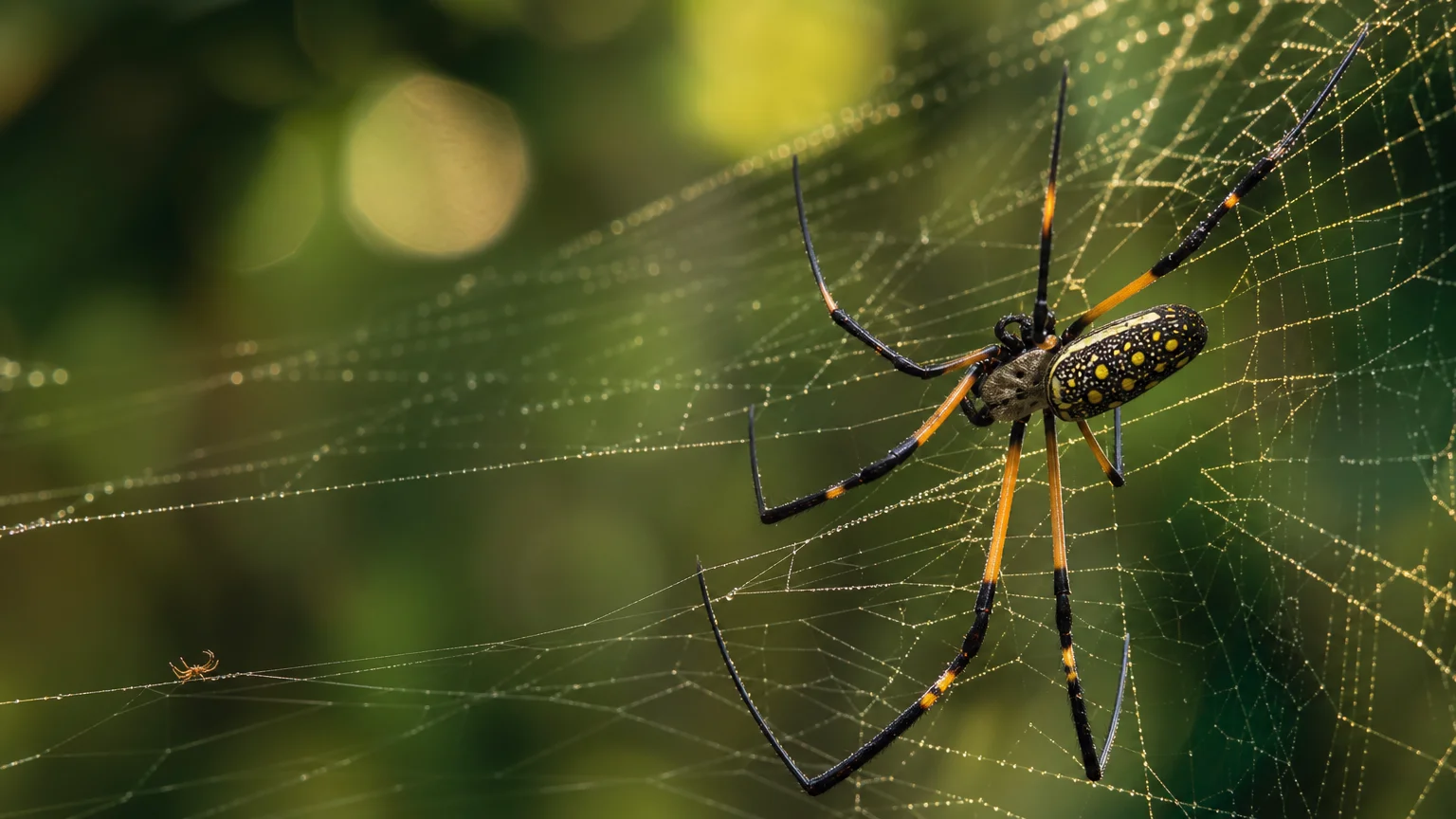
However, in heavily specialized taxa where you primarily find female creatures bigger than males, such as dangerous spiders, massive birds of prey, and certain reptiles, the overall physical size gap actually strangely tends to predictably decrease as the species gets naturally larger.
The blanket octopus and the golden orb-weaver spider both proudly stand as brilliant, extreme outliers that rigorously test the exact outer boundaries of these documented evolutionary rules.
Furthermore, size discrepancies drive niche partitioning. When a female northern map turtle weighs ten times more than her male counterpart, they operate as two different species coexisting within the same ecosystem.
By targeting different food sources, they reduce resource competition and improve the survival rate of the population.
This insight applies to wildlife conservation; protecting an environment for sexually dimorphic species means preserving the distinct dual food webs required by both the females and the males.
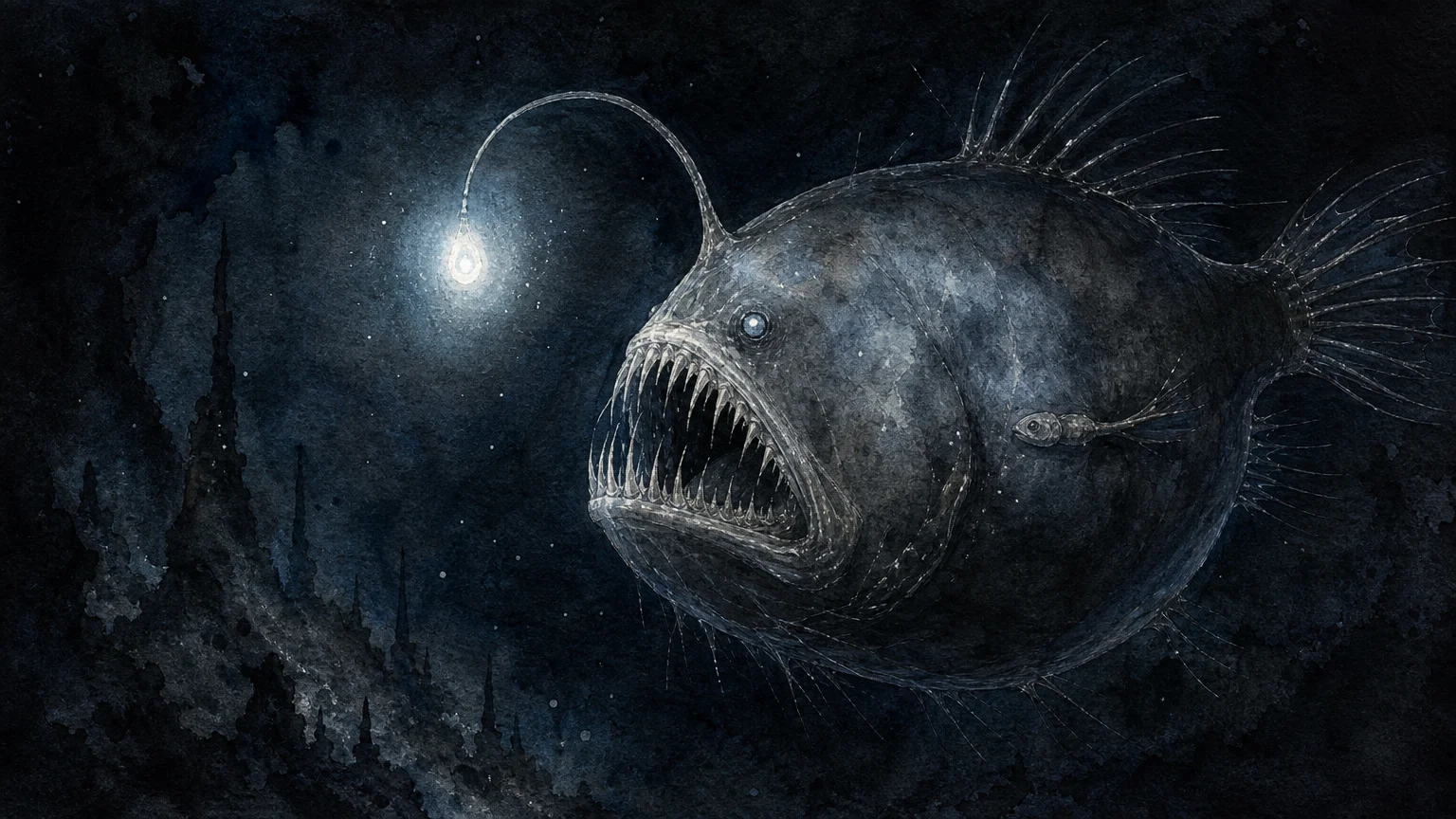
Finally, energy allocation strategies dictate these physiological blueprints. Tiny males of species like the deep-sea anglerfish or the drifting paper nautilus abandon the energy-intensive processes of growing large, building shells, or developing hunting weaponry.
Instead, they strip their biological functions down to the bare minimum required for mobility and reproduction.
Frequently Asked Questions
What exactly is sexual dimorphism in animals?
Sexual dimorphism is the condition where males and females of the same species exhibit different physical characteristics beyond their reproductive organs. These differences commonly appear in body size, color, or features like horns and plumage.
Why are female birds of prey almost always larger than males?
Female birds of prey are larger to better defend the nest and handle the energy costs of producing eggs. Their larger size also allows a breeding pair to hunt different types of prey, which ensures a more stable food supply for their chicks.
