


Getting older brings profound physical and psychological changes that often defy popular expectations. You can optimize your later years by understanding the biological mechanisms and lifestyle factors that influence human longevity. Modern gerontology reveals that genetics only dictate a fraction of your lifespan; your daily habits play a vastly more significant role in determining how well you age. By separating entrenched myths from scientific reality, you gain the power to make informed decisions about your diet, social engagement, and physical activity. These evidence-based healthy aging insights provide a roadmap for maintaining cognitive sharpness and physical vitality well into your later decades.
Fast Facts
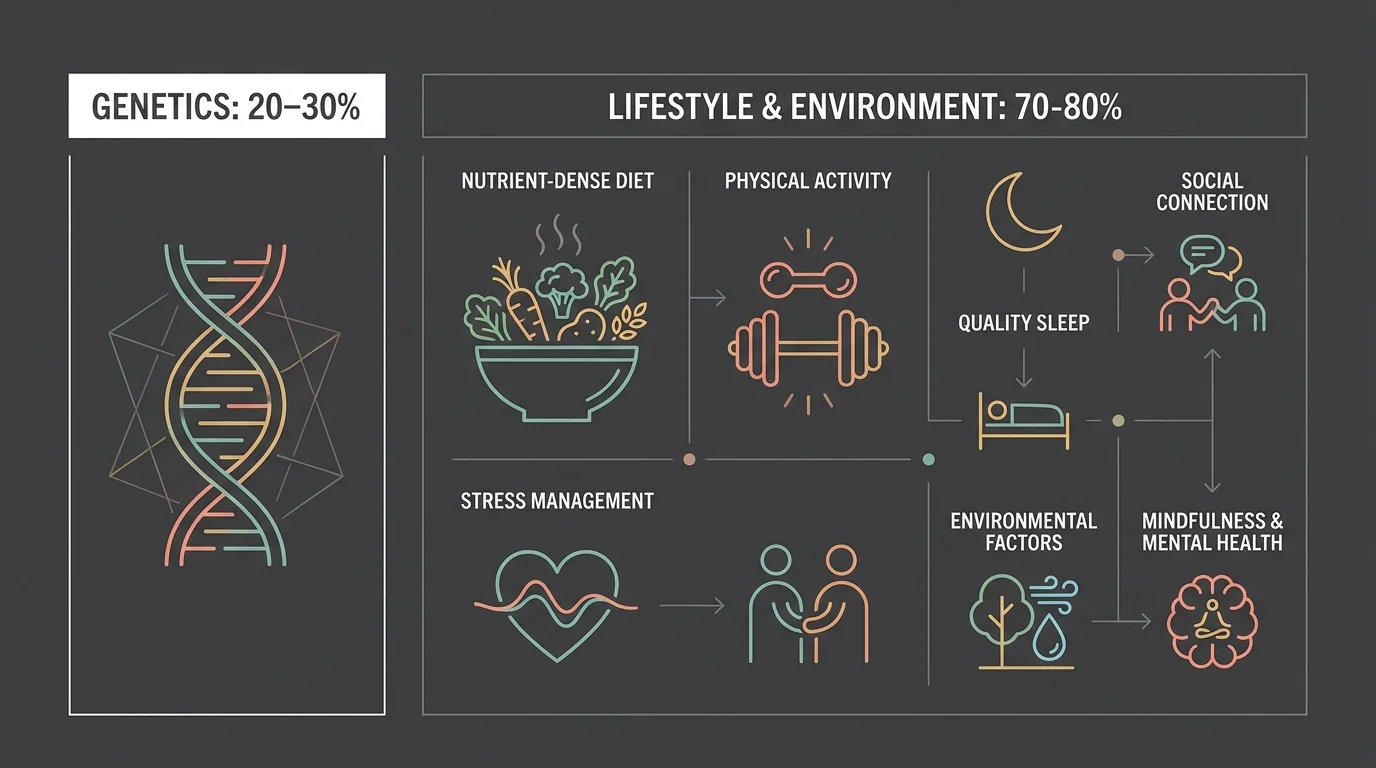
Your genetic makeup determines roughly twenty to thirty percent of your overall lifespan; the remaining majority depends entirely on your environment, lifestyle choices, and daily behaviors. You wield enormous power over your biological clock by managing stress, eating a nutrient-dense diet, and maintaining consistent physical activity routines throughout your life.
Emotional well-being follows a distinct U-shaped curve across the human lifespan, dipping to its lowest point during middle age before rising significantly as you enter your later decades. Older adults consistently report higher levels of daily happiness, deeper life satisfaction, and significantly lower stress than their younger counterparts.
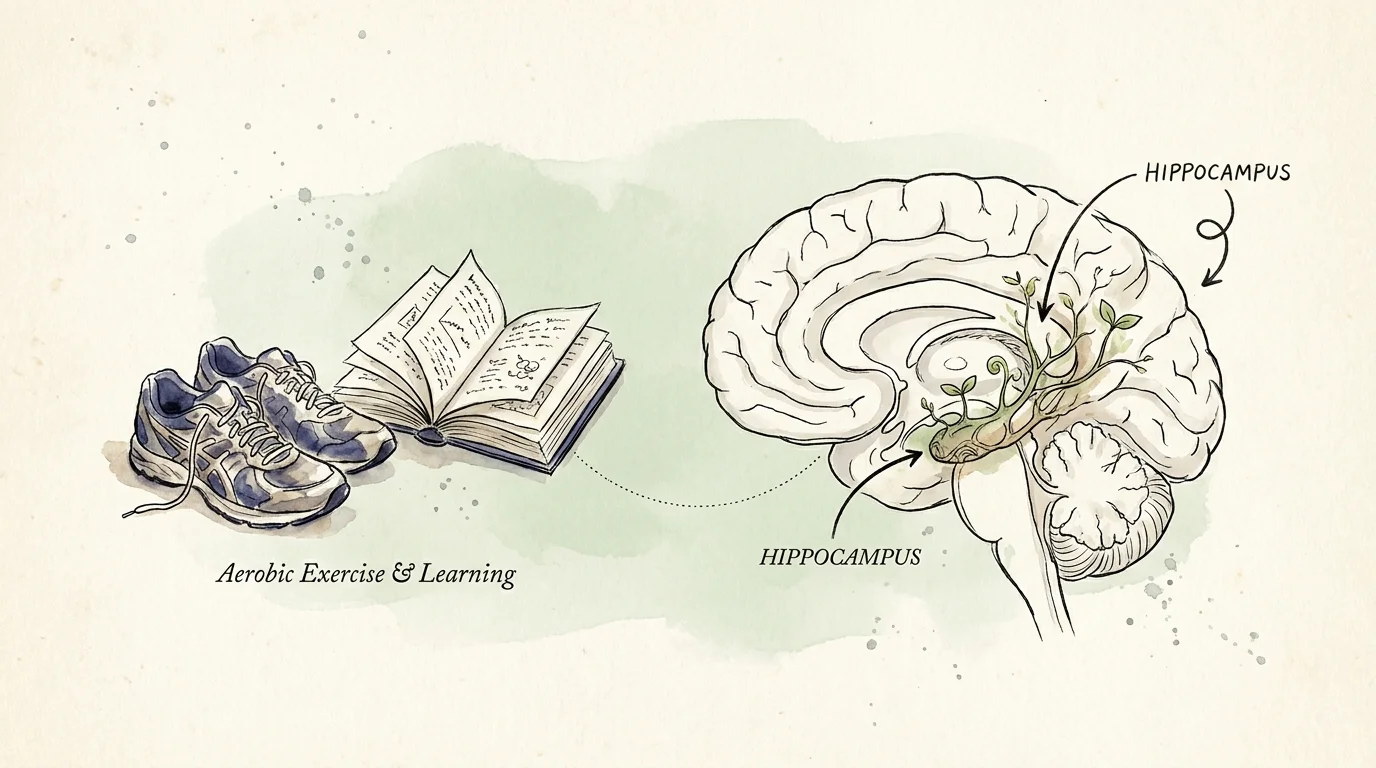
Contrary to the outdated scientific belief that brain development stops in young adulthood, your brain continues to produce new neurons in the hippocampus well into your advanced years. Engaging in regular aerobic exercise and learning complex new skills actively accelerates this neurogenesis, protecting your robust memory and executive cognitive function.
Age-related muscle loss, known clinically as sarcopenia, begins as early as your thirties and accelerates notably after you cross the age of sixty-five. You can effectively halt and even reverse this natural physical decline by incorporating progressive resistance training and optimizing your daily protein intake.
While your raw processing speed peaks in your early twenties, your crystallized intelligence—the distinct ability to utilize accumulated knowledge and life experience—continues to grow and refine itself throughout your entire life. This biological reality explains why older individuals consistently excel at complex problem-solving and demonstrate superior emotional regulation during acute crises.
Your immune system naturally weakens over time through a progressive process called immunosenescence, making you slightly more susceptible to novel infections while simultaneously reducing your antibody response to standard vaccines. Maintaining a highly robust gut microbiome and prioritizing deep, high-quality sleep serve as your primary, controllable defenses against this gradual immune degradation.
Chronic loneliness poses a severe physiological threat that damages your fundamental cellular health just as significantly as smoking fifteen cigarettes a day. Building and sustaining strong, active social networks stands as one of the most critical senior wellness facts you must embrace to dramatically reduce your risk of premature cognitive decline.
The protective caps at the ends of your chromosomes, called telomeres, naturally shorten each time your individual cells divide, serving as a primary biological marker of your true cellular age. You can actively slow this shortening process—and thereby delay widespread cellular aging—through sustained cardiovascular exercise and rigorous daily stress management techniques.
As you grow older, your brain spends significantly less time in the deep, highly restorative stages of slow-wave sleep, which fundamentally alters how your body clears toxic metabolic waste from your neural pathways. Adjusting your evening behavioral routines, strictly limiting artificial light exposure, and maintaining rigid sleep schedules become vital practices to offset these structural changes.
Extensive biological research indicates that moderate, highly sustained caloric restriction triggers specific cellular survival pathways that rapidly reduce systemic inflammation and massively enhance your DNA repair mechanisms. While drastic starvation remains incredibly harmful, practicing mindful, daily portion control helps your body prioritize deep cellular maintenance over excessive and potentially dangerous rapid tissue growth.

Context and Background
The scientific study of human longevity has undergone a massive paradigm shift over the past three decades, transforming our understanding of the biological mechanisms that dictate how we age. Historically, medical professionals viewed physical decline as a rigid, inescapable consequence of accumulating birthdays; today, researchers recognize that biological aging represents a highly plastic and malleable process. This crucial distinction separates your chronological age—the number of years you have been alive—from your biological age, which measures the actual physiological wear and tear on your cellular infrastructure. When you examine global demographics, the urgency to understand these mechanisms becomes glaringly apparent. According to data provided by the World Health Organization, the proportion of the global population of individuals aging after 65 will nearly double by the middle of this century. This monumental demographic shift necessitates a dramatic reimagining of how societies structure healthcare, urban planning, and economic models to support a surging population of older adults.
Before the twentieth century, global life expectancy hovered around thirty to forty years, largely due to staggering rates of infant mortality and infectious diseases. The advent of modern sanitation, antibiotics, and widespread vaccination campaigns virtually eliminated these early-life threats, allowing unprecedented numbers of humans to reach their natural physiological limits. However, this medical triumph birthed a new challenge: the rapid rise of chronic, age-related diseases such as cardiovascular dysfunction, neurodegeneration, and metabolic syndrome. Gerontology—the multidisciplinary study of the aging process—emerged specifically to address this modern predicament. Early gerontologists focused almost entirely on treating individual diseases as they appeared, engaging in a reactive medical approach that did little to extend the healthy period of life, known as healthspan. Modern geroscience flips this outdated model on its head by targeting the root biological causes of aging itself, operating on the premise that slowing the fundamental aging process will simultaneously delay the onset of all age-related pathologies.
When exploring the most critical facts about aging, you must familiarize yourself with the specific biological hallmarks that drive tissue degradation over time. Scientists have identified several primary interconnected processes that dictate human longevity. Genomic instability occurs when your DNA accumulates progressive damage from environmental stressors, toxins, and normal metabolic byproducts. Simultaneously, you experience epigenetic alterations; the regulatory mechanisms that turn your genes on and off become less precise, causing your cells to lose their specialized functions. Another critical factor involves the attrition of telomeres—the repetitive nucleotide sequences that cap your chromosomes and protect your genetic data during cellular division. As these telomeres inevitably shorten, your cells eventually enter a state of permanent arrest known as cellular senescence. These senescent cells refuse to die; instead, they linger in your tissues and secrete highly inflammatory molecules that accelerate the degradation of neighboring healthy cells.
Understanding these intricate cellular mechanisms directly informs practical strategies for maintaining optimal health. For instance, the phenomenon of deregulated nutrient sensing explains why constant caloric consumption accelerates physical decline. Your cells possess specialized metabolic pathways that detect the availability of energy; when you continuously flood your system with glucose, your body prioritizes rapid cellular growth over crucial repair processes. By implementing periods of fasting or carefully managing your overall energy intake, you force your cells to activate ancient survival mechanisms that clean out damaged proteins and restore mitochondrial efficiency. This deep biological perspective proves that proactive lifestyle interventions operate directly at the genetic and molecular level to preserve your physical and mental capacities. You are not a passive victim of the passage of time; you are an active architect of your biological destiny, capable of significantly altering your health trajectory through deliberate, science-backed daily actions.
Interesting Connections
The multifaceted nature of human longevity reveals fascinating intersections between evolutionary biology, sociology, and human psychology. One of the most compelling insights into healthy aging comes from examining isolated geographic regions where exceptional longevity represents the cultural norm rather than a statistical anomaly. In these unique demographic pockets, residents routinely live past their hundredth birthdays while maintaining remarkable physical vigor and cognitive clarity. Researchers analyzing these populations consistently identify specific environmental and behavioral denominators that override genetic predispositions. These communities do not rely on advanced medical interventions or synthetic supplements; instead, they engineer their environments to make healthy choices unavoidable. They integrate low-intensity, constant physical movement into their daily chores, cultivate robust social safety nets that eliminate chronic isolation, and consume predominantly plant-based diets rich in complex carbohydrates and vital micronutrients. These sociological observations heavily reinforce the concept that your immediate physical and social environments dictate your longevity far more than isolated biological factors.
Another profound connection exists between the intricate ecosystem of your gut microbiome and the systemic aging process. Your digestive tract hosts trillions of beneficial bacteria that regulate your immune system, synthesize essential neurotransmitters, and manage systemic inflammation. As you grow older, the diversity of this microbial community naturally diminishes, a phenomenon strongly correlated with increased frailty and cognitive decline. However, recent clinical studies demonstrate that you can actively reshape your microbiome well into your later decades by aggressively expanding your intake of diverse dietary fibers and fermented foods. When you feed these beneficial microbes, they produce short-chain fatty acids like butyrate, which cross the blood-brain barrier to reduce neuroinflammation and stimulate the production of new brain cells. This elegant biological loop illustrates how a simple dietary intervention profoundly influences complex neurological health, bridging the gap between gastroenterology and cognitive gerontology.
Equally fascinating is the emerging research connecting psychological framing to cellular biology. The specific attitudes and beliefs you hold about the aging process exert a measurable, physical impact on your body. Longitudinal psychological studies reveal that individuals who view growing older as an opportunity for continuous growth and wisdom accumulation exhibit significantly lower levels of inflammatory markers such as C-reactive protein. This positive psychological framing actually alters your neuroendocrine response to stress, lowering your baseline cortisol levels and protecting your chromosomal telomeres from accelerated degradation. Conversely, internalizing negative cultural stereotypes about physical decline creates a self-fulfilling biological prophecy; the chronic psychological stress of expecting physical deterioration actively damages your cellular infrastructure. By aggressively reframing your perspective and embracing accurate biological realities, you harness the power of your own psychology to physically protect your cardiovascular and nervous systems.
Frequently Asked Questions
Can you genuinely reverse the fundamental aging process?
While you cannot stop the chronological passage of time, cutting-edge biological research confirms that you can reverse your biological age. Scientists measure this biological age using advanced epigenetic clocks, which analyze specific chemical tags on your DNA that dictate gene expression. Extensive clinical trials documented by organizations like the National Institutes of Health demonstrate that aggressive, targeted lifestyle interventions—such as adopting a nutrient-dense diet, implementing strict sleep hygiene, and engaging in high-intensity interval training—can strip these chemical tags away, effectively turning back your cellular clock. Although we do not possess a magic pill to grant immortality, the available data unequivocally proves that you can restore youthful metabolic function and cellular resilience to tissues that have begun to degrade. Separating entrenched aging myths and truths requires understanding that biological decline is a bidirectional process; just as poor habits accelerate tissue damage, rigorous health protocols can actively repair and rejuvenate your fundamental biological infrastructure.
What represents the most effective lifestyle intervention for preserving cognitive vitality?
Contrary to the massive commercial marketing surrounding digital brain games and puzzles, rigorous cardiovascular exercise stands as the single most potent intervention for preserving your cognitive function. When you elevate your heart rate through sustained physical exertion, your muscles secrete highly specialized proteins called myokines that travel directly to your brain. These compounds trigger the massive release of Brain-Derived Neurotrophic Factor (BDNF), a crucial molecule that acts as molecular fertilizer for your neural networks. BDNF actively stimulates the growth of new synapses, strengthens existing neural connections, and enhances the overall plasticity of your brain. To maximize these cognitive benefits, you must challenge your cardiovascular system consistently; brisk walking, swimming, or cycling forces your brain to coordinate complex motor patterns while simultaneously bathing your neural tissues in highly oxygenated blood, offering profound protection against age-related cognitive decline.
How exactly do nutritional needs shift as you transition into your later decades?
As your body matures, your metabolic machinery becomes noticeably less efficient at extracting and utilizing specific essential nutrients, requiring a highly strategic approach to your daily diet. Most notably, your stomach produces significantly less hydrochloric acid, which severely impairs your ability to absorb Vitamin B12—a nutrient critical for nerve function and red blood cell production. Furthermore, because older bodies exhibit anabolic resistance, you must consume significantly higher quantities of high-quality protein in a single sitting to successfully trigger muscle protein synthesis and combat progressive muscle wasting. You also experience a natural blunting of your thirst mechanism, increasing your vulnerability to chronic, low-grade dehydration that can masquerade as fatigue or cognitive impairment. Optimizing your nutrition requires shifting your focus away from simple caloric restriction and toward intense nutrient density, ensuring every meal delivers highly bioavailable vitamins, lean proteins, and crucial hydration to support your aging cellular network.
Why do older adults experience such profound changes in joint mobility and connective tissue?
The progressive stiffness and reduced mobility you might experience as you age stem from complex biochemical alterations within your connective tissues. Over time, the collagen fibers that form the structural scaffolding of your tendons, ligaments, and cartilage undergo a process called cross-linking. This process is heavily accelerated by the accumulation of advanced glycation end products (AGEs)—harmful compounds formed when excess sugars bind to proteins in your bloodstream. As these fibers cross-link, they lose their natural elasticity and become rigid, making joint movements feel restricted and uncomfortable. You can actively mitigate this structural stiffening by engaging in daily, full-range-of-motion mobility exercises that physically lubricate your joints by stimulating the production of synovial fluid. Additionally, minimizing your intake of highly processed sugars prevents the rampant formation of AGEs, thereby protecting the structural integrity and flexibility of your vital connective tissues.
Does your metabolic rate inevitably crash as you accumulate more birthdays?
One of the most pervasive myths surrounding human longevity dictates that your basal metabolic rate plummets dramatically the moment you reach middle age. However, comprehensive metabolic studies utilizing doubly labeled water—the gold standard for measuring human energy expenditure—reveal a drastically different reality. Your baseline metabolism actually remains remarkably stable between the ages of twenty and sixty; the widespread weight gain commonly associated with middle age results almost entirely from subtle, progressive decreases in spontaneous daily physical activity and the insidious loss of metabolically active muscle tissue. It is only after you cross into your sixties that your cellular metabolism begins a slight, genuine decline of roughly one percent per year. By aggressively maintaining your muscle mass through resistance training and remaining highly active throughout your day, you can effectively sustain a robust, youthful metabolic rate well into your later decades.
