

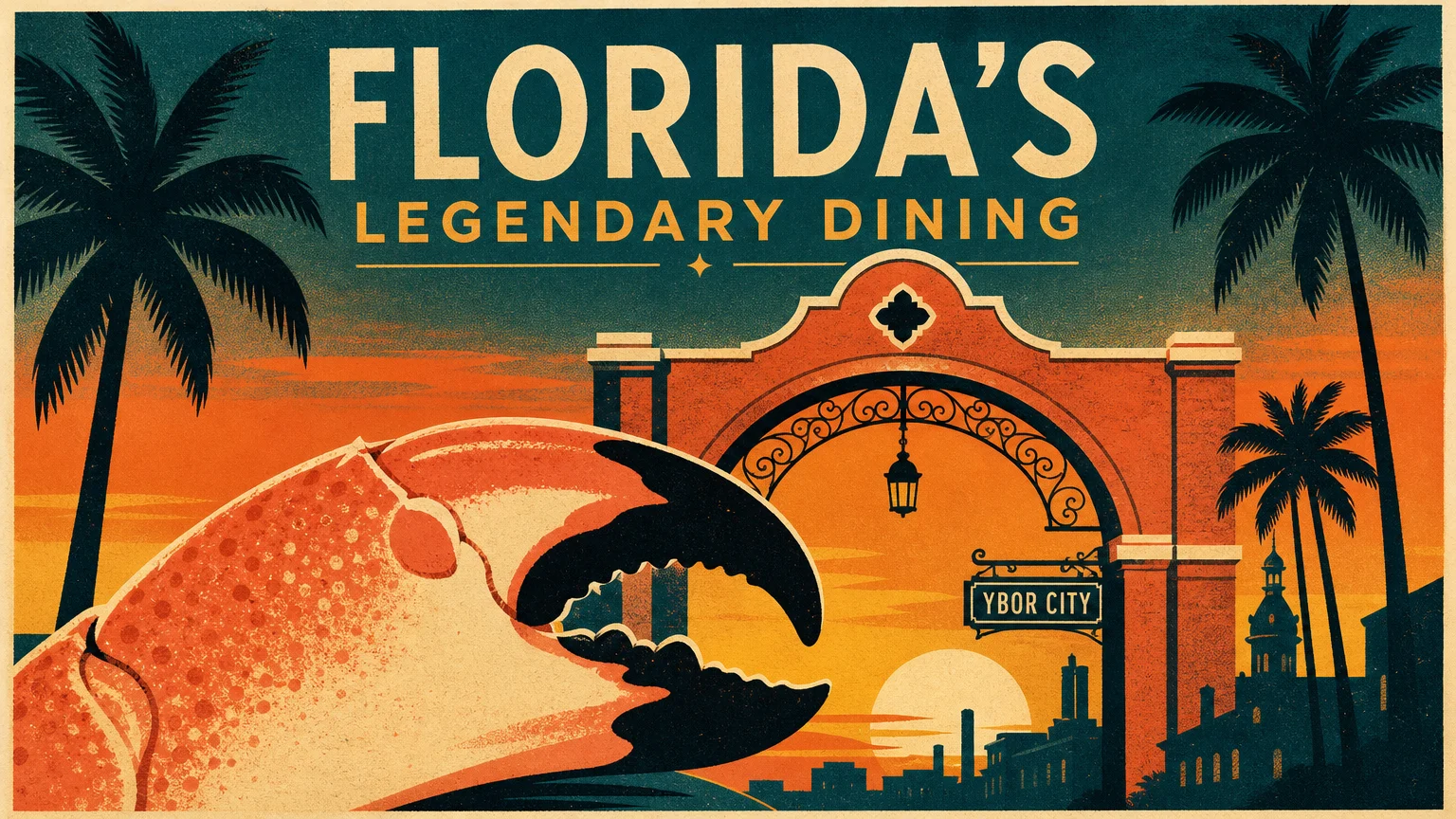
Exploring Florida’s 17 most legendary restaurants gives you a direct taste of the state’s vibrant history and diverse cultural makeup. From the century-old dining halls of Ybor City to the breezy shores of the Florida Keys, these iconic culinary destinations serve up far more than just exceptional meals. You will discover historic institutions that shaped local communities, introduced game-changing flavors, and preserved generations of family traditions. Whether you seek the elegance of white-tablecloth steakhouses or the casual charm of beachside oyster shacks, mapping out these must-visit restaurants in Florida provides a fascinating gastronomic journey. The establishments featured here showcase the incredible depth of iconic Florida dining, proving that the Sunshine State possesses a uniquely powerful and enduring culinary heritage.
Fast Facts
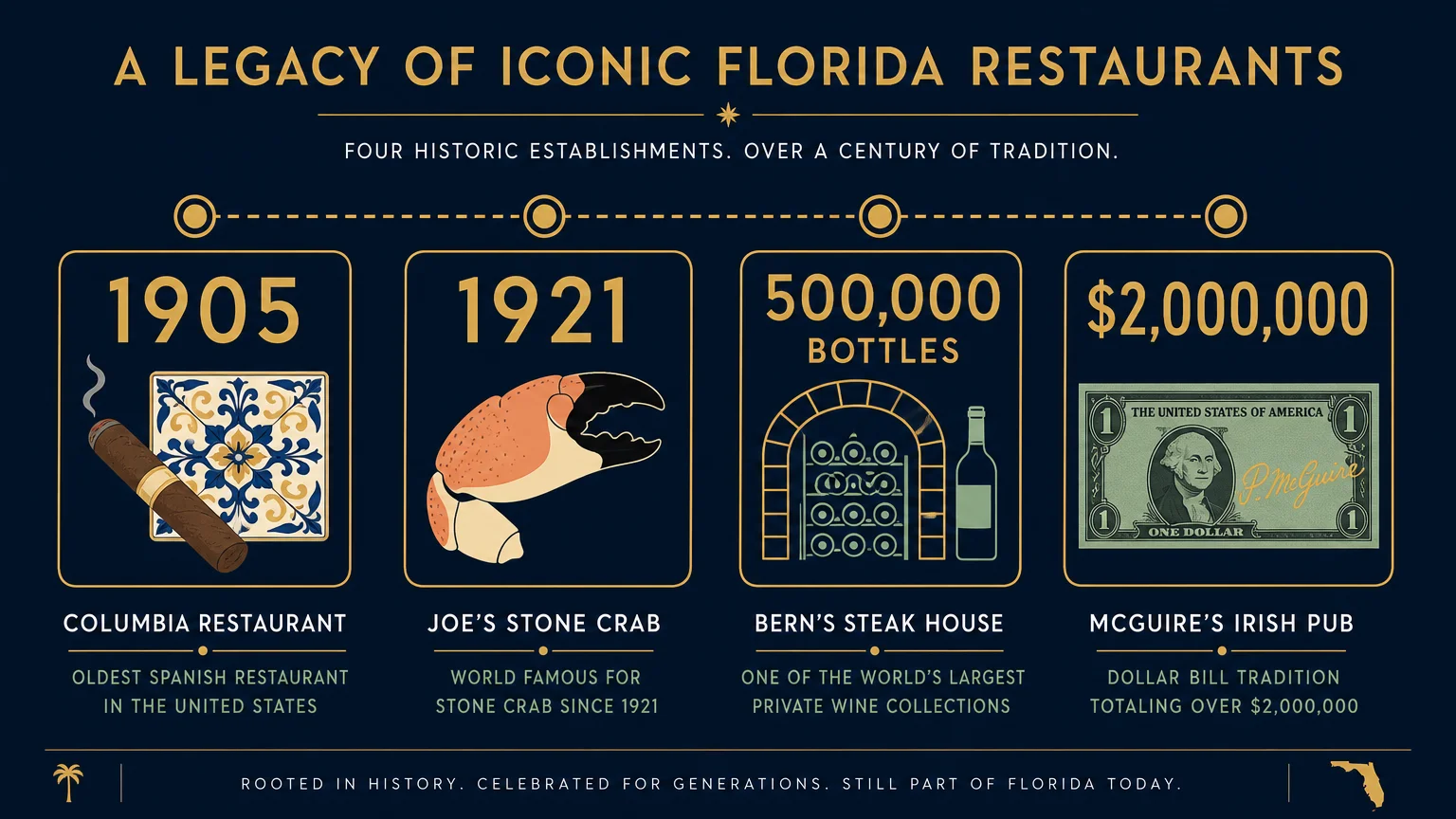
Columbia Restaurant in Tampa holds the title of Florida’s oldest continuously operated restaurant, opening its doors to hungry cigar workers in 1905. Founded by Casimiro Hernandez Sr., this massive establishment now seats over 1,700 guests and spans an entire city block in historic Ybor City, making it the largest Spanish restaurant in the world.
Joe’s Stone Crab single-handedly kickstarted the commercial stone crab industry in Miami Beach back in 1921 when owner Joe Weiss discovered that the previously ignored local crustaceans tasted incredible when boiled and served with chilled mustard sauce. Before this culinary revelation, local fishermen considered stone crabs a nuisance rather than a highly profitable delicacy.
Bern’s Steak House in Tampa boasts one of the largest private wine collections in the world, currently holding more than half a million bottles in its legendary cellar. Founder Bern Laxer built this staggering collection over decades, turning the dimly lit steakhouse into a global destination for serious oenophiles and discerning diners seeking rare vintages.
The Mai-Kai Restaurant in Fort Lauderdale earned a coveted spot on the National Register of Historic Places in 2014, recognizing its pristine mid-century Polynesian Pop architecture. Since opening in 1956, it has preserved the golden era of tiki culture through its meticulously designed dining rooms, elaborate tropical gardens, and theatrical fire-dancing floor shows.
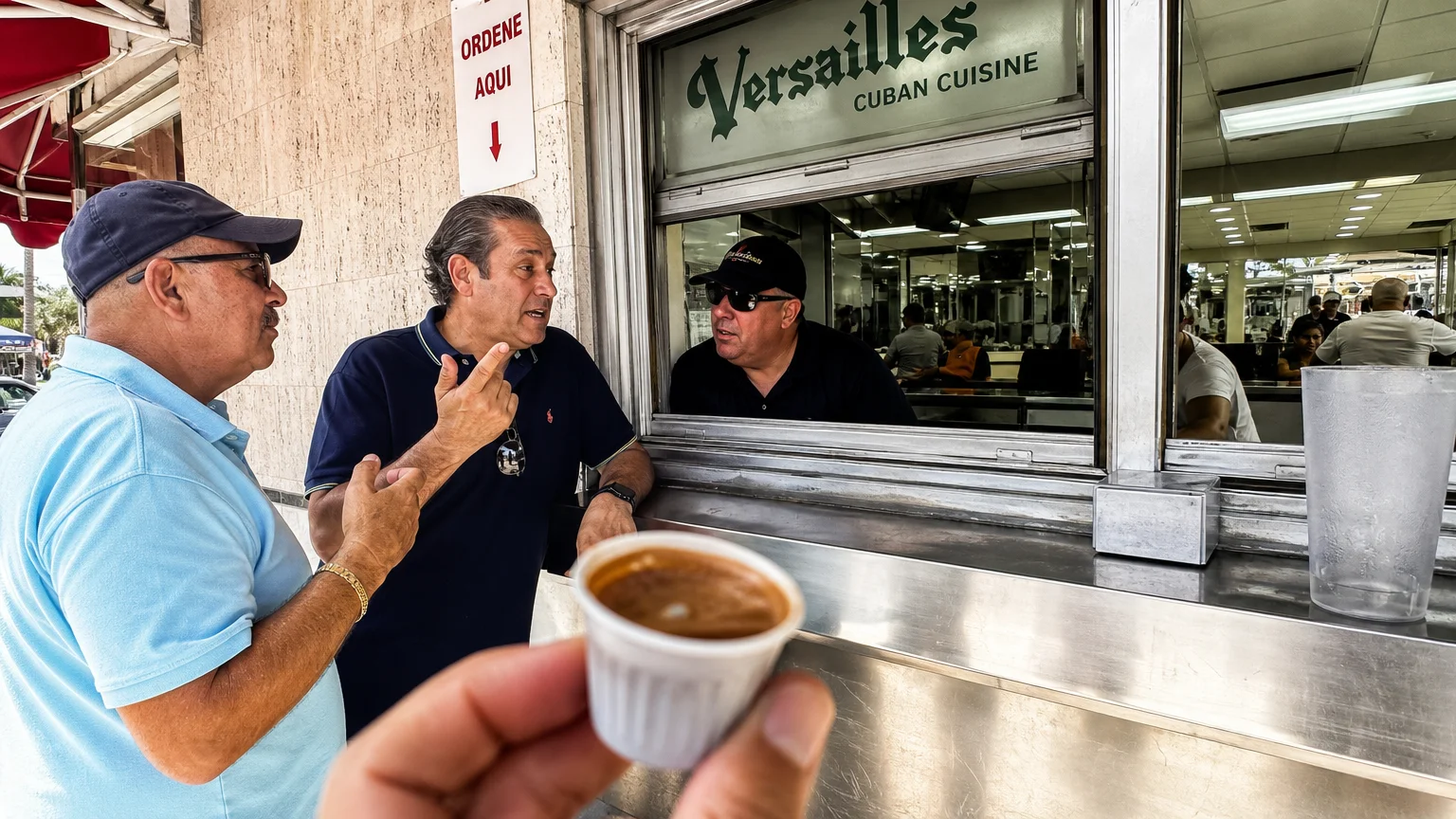
Versailles Restaurant in Miami functions as the unofficial town square and political nerve center for the Cuban exile community. Politicians from across the United States frequently visit this iconic eatery to court the influential local voting bloc while sipping high-octane cafecito at the famous outdoor walk-up window.
Victoria & Albert’s in Orlando consistently ranks as one of the most decorated dining rooms in the American South, securing the prestigious AAA Five Diamond Award every year since 2000. Operating inside a luxury theme park resort, this opulent restaurant requires formal evening attire and offers an intricately choreographed multi-course tasting menu that showcases rare global ingredients.
McGuire’s Irish Pub in Pensacola features an interior famously decorated with more than two million signed dollar bills hanging from the ceiling and walls. This unique visual tradition started organically in 1977 when the founders tacked their very first monetary tip above the bar to bring the new business good luck.
Sloppy Joe’s Bar in Key West owes much of its enduring international fame to legendary American author Ernest Hemingway, who treated the lively establishment as his personal headquarters during the 1930s. The bar still hosts an annual Hemingway look-alike contest, celebrating the iconic writer’s deep and lasting connection to the island’s robust drinking culture.
Captain Anderson’s in Panama City Beach operates a unique dockside dining experience where you can physically watch the local fishing fleets unload their daily catch right outside the expansive dining room windows. This brilliant logistical setup ensures unmatched seafood freshness while actively supporting the maritime economy of the Florida Panhandle.
O’Steen’s Restaurant in St. Augustine champions the regional datil pepper—a uniquely spicy and sweet chili grown almost exclusively in the local area—by featuring it heavily in their beloved Minorcan clam chowder. This culinary staple directly reflects the rich heritage of the Minorcan immigrants who settled in Northeast Florida centuries ago and shaped the region’s flavor profile.
Context and Background
To truly understand the landscape of famous Florida restaurants, you must look at how geography and immigration shaped the state’s distinct regional cuisines. The sheer size of the Florida peninsula guarantees that dining traditions vary wildly from the Deep South flavors of the Panhandle to the Caribbean-infused menus of Miami. When you embark on a tour of the best restaurants in Florida, you are essentially tracing the migratory paths of Spanish settlers, Cuban exiles, Greek sponge divers, and maritime pioneers.
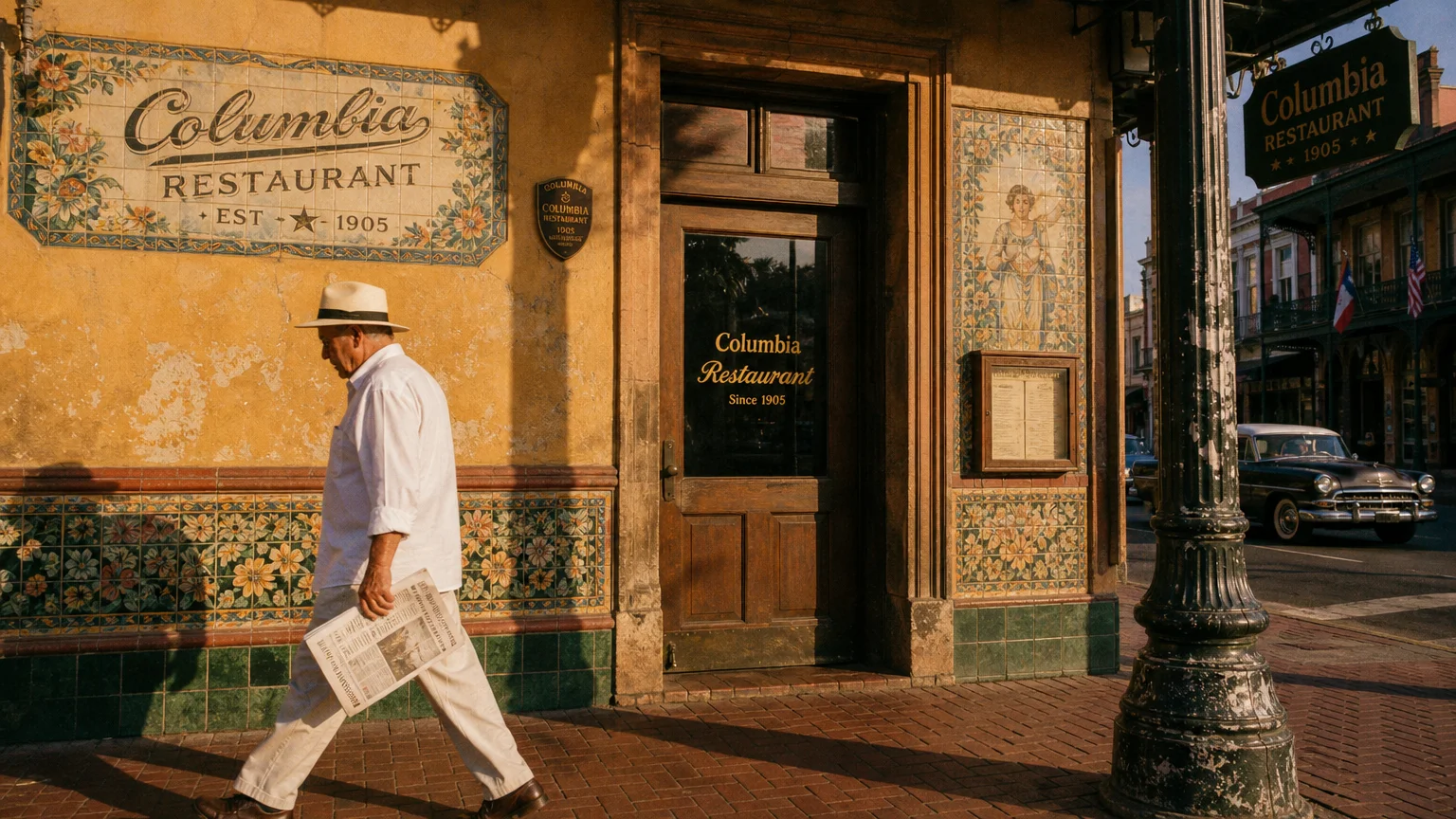
Tampa serves as a crucial anchor for iconic Florida dining, largely due to the enduring legacy of the Columbia Restaurant. When Casimiro Hernandez Sr. opened the Columbia in 1905, he catered specifically to the neighborhood’s bustling cigar industry, serving simple Cuban sandwiches and cafe con leche. Today, you can lose yourself in the restaurant’s maze of ornately tiled dining rooms, including the two-story Don Quixote room. You must try their famous 1905 Salad, which the waitstaff tosses tableside with a garlic dressing formula that has remained unchanged for decades. Just across town, Bern’s Steak House offers a completely different, but equally legendary, culinary philosophy. Bern Laxer revolutionized the modern steakhouse experience by introducing obsessive quality controls, including growing organic vegetables on his own farm and dry-aging beef specifically to order. When you visit Bern’s, secure a reservation months in advance and make sure you book a booth in the Harry Waugh Dessert Room, where you enjoy after-dinner treats inside private enclaves built from repurposed redwood wine casks.
Moving southward, Miami showcases an entirely different side of the state’s gastronomic heritage. Joe’s Stone Crab stands as the undisputed king of Miami Beach dining. Joe Weiss ignited a culinary phenomenon when he dropped local stone crabs into boiling water, fundamentally changing Florida seafood culture. Because the restaurant refuses to accept reservations, you should plan to arrive for lunch or prepare for a lively wait at the bar during the busy winter season. Meanwhile, on Calle Ocho, Versailles Restaurant anchors the Cuban-American experience. Felipe Valls Sr. opened Versailles in 1971, designing the dining room with mirrored walls to make the space feel larger and more festive. Today, those mirrors reflect generations of families eating perfectly pressed Cuban sandwiches, crispy ham croquetas, and plates of ropa vieja. It remains a mandatory stop for anyone exploring the bedrock of Miami’s food scene.
If you travel north to the Panhandle, the culinary vibe shifts from tropical to coastal rustic. Captain Anderson’s in Panama City Beach dominates the Gulf Coast seafood scene. The Patronis family built a massive dining empire by guaranteeing absolute freshness, feeding over 250,000 guests during their tight eight-month operating season. You can taste the Gulf in their charcoal-broiled fish and legendary hushpuppies. Further west in Pensacola, Martin and Molly McGuire transformed a small neighborhood pub into McGuire’s Irish Pub, an absolute juggernaut of hospitality. Beyond the millions of dollar bills stapled to the ceiling, the pub is famous for its hearty steaks, house-brewed stouts, and a traditional 18-cent Senate Bean Soup—a price they have honored for decades.
Interesting Connections
The stories behind these Florida restaurants frequently intersect with famous historical figures, literary legends, and fascinating subcultures. The Florida Keys provide an excellent backdrop for these intersections. At Sloppy Joe’s in Key West, you can quite literally walk in the footsteps of Ernest Hemingway. The author developed a tight friendship with original owner Joe Russell, and that relationship cemented the bar’s status in global literary lore. Just a few blocks away, Blue Heaven offers another rich layer of island history. Before it became the island’s most beloved brunch spot—famous for its towering slices of Key lime pie—the property hosted bare-knuckle boxing matches refereed by Hemingway himself. Today, you will eat your lobster benedict in a dirt courtyard while the descendants of those historical fighting roosters wander freely among the tables.
Central and Northern Florida offer distinct culinary connections tied to the land rather than the sea. At The Yearling Restaurant in Cross Creek, you step back into the rural “Florida Cracker” culture of the early 20th century. Named after Marjorie Kinnan Rawlings’ Pulitzer Prize-winning novel, the restaurant serves exactly the kind of wild game the author wrote about. You can order authentic southern dishes like fried alligator tail, quail, frog legs, and cooter (soft-shell turtle), providing a rare taste of Florida’s untamed pioneer days. Down in Sarasota, Yoder’s Restaurant represents an entirely different migration pattern. The restaurant serves as the culinary heart of Pinecraft, a winter refuge for Amish and Mennonite communities. Since 1975, the Yoder family has drawn enormous crowds of locals and tourists eager to eat massive slices of their legendary homemade peanut butter cream pie.
Coastal dive culture also plays a massive role in defining must-visit restaurants in Florida. Take Le Tub Saloon in Hollywood, for example. Founder Russell Kohs transformed an abandoned Sunoco gas station into a quirky waterfront burger joint using flotsam, jetsam, and salvaged porcelain toilets that he painted and repurposed as planters. Despite the aggressively unpretentious decor, their massive sirloin burger earned national acclaim, proving that luxury is not a prerequisite for legendary status. On the Gulf Coast, Frenchy’s Original Cafe in Clearwater highlights the power of controlling your own supply chain. Michael “Frenchy” Preston opened the tiny cafe in 1981, eventually buying his own fleet of commercial fishing boats to guarantee an uninterrupted supply of fresh grouper. The resulting grouper sandwich fundamentally defined the standard for beachside dining in the Tampa Bay area.
In stark contrast to the casual beachside shacks, Victoria & Albert’s in Orlando demonstrates how a master-planned tourist destination can organically cultivate world-class fine dining. Situated inside Disney’s Grand Floridian Resort, the restaurant deliberately isolates you from the chaos of the nearby theme parks, offering harp music, personalized menus, and an elite Chef’s Table experience. It connects Florida to the highest echelons of international gastronomy. Meanwhile, spots like Garcia’s Seafood Grille & Fish Market in Miami and Hunt’s Oyster Bar in Panama City connect diners directly to the gritty, working-class roots of Florida’s commercial fishing industry. At Garcia’s, you watch fishing boats navigate the Miami River as you eat fresh yellowtail snapper, bridging the gap between the ocean and your plate.
Frequently Asked Questions
What makes the stone crab at Joe’s Stone Crab so unique?
Stone crabs possess a remarkable ability to regenerate their limbs. Fishermen carefully harvest the crab, remove one legally sized claw, and return the live crab to the ocean to regrow the appendage. You only ever eat the claws, which offer a dense, sweet meat that pairs perfectly with Joe’s signature chilled mustard sauce.
Do these legendary Florida restaurants require formal attire?
The dress codes vary drastically depending on the establishment. At luxury spots like Victoria & Albert’s and Bern’s Steak House, you must adhere to strict dress codes requiring jackets or elegant evening wear. Conversely, casual institutions like Frenchy’s Original Cafe, Le Tub, and Hunt’s Oyster Bar happily welcome you in boardshorts, t-shirts, and flip-flops straight from the beach.
Which historic Florida restaurant offers the best experience for wine lovers?
Bern’s Steak House in Tampa offers the ultimate wine experience. The restaurant maintains an actively curated cellar containing over 500,000 bottles, representing more than 6,800 distinct labels. You can request a guided tour of the massive cellar after your main course to fully appreciate the staggering depth of the collection.
Are there legendary dining spots in the Florida Keys besides Sloppy Joe’s?
Absolutely. Blue Heaven in Key West stands out as a legendary institution. You dine outdoors beneath a canopy of tropical almond trees while feral chickens roam the grounds. The restaurant is widely considered one of the best breakfast and brunch spots in the state, drawing massive crowds for its distinct bohemian atmosphere and towering meringue pies.
Keywords: famous Florida restaurants, best restaurants in Florida
Meta Description: Discover Florida’s 17 most legendary restaurants, from historic steakhouses and Cuban cafeterias to iconic coastal oyster bars and island institutions.
