


The ‘hunger hormone,’ formally known as ghrelin, drives your appetite and plays a foundational role in how your body manages energy. Understanding this powerful chemical messenger unlocks actionable strategies for effective weight loss and better metabolic health. When your stomach is empty, it secretes ghrelin to signal your brain that it is time to eat, essentially acting as a survival mechanism that protected our ancestors from starvation. Today, however, this same mechanism can frustrate modern weight management efforts and complicate nutrition science. By learning how ghrelin interacts with your habits, sleep schedule, and stress levels, you can take practical steps to master your metabolism rather than fighting a losing battle against your own biology.
Fast Facts
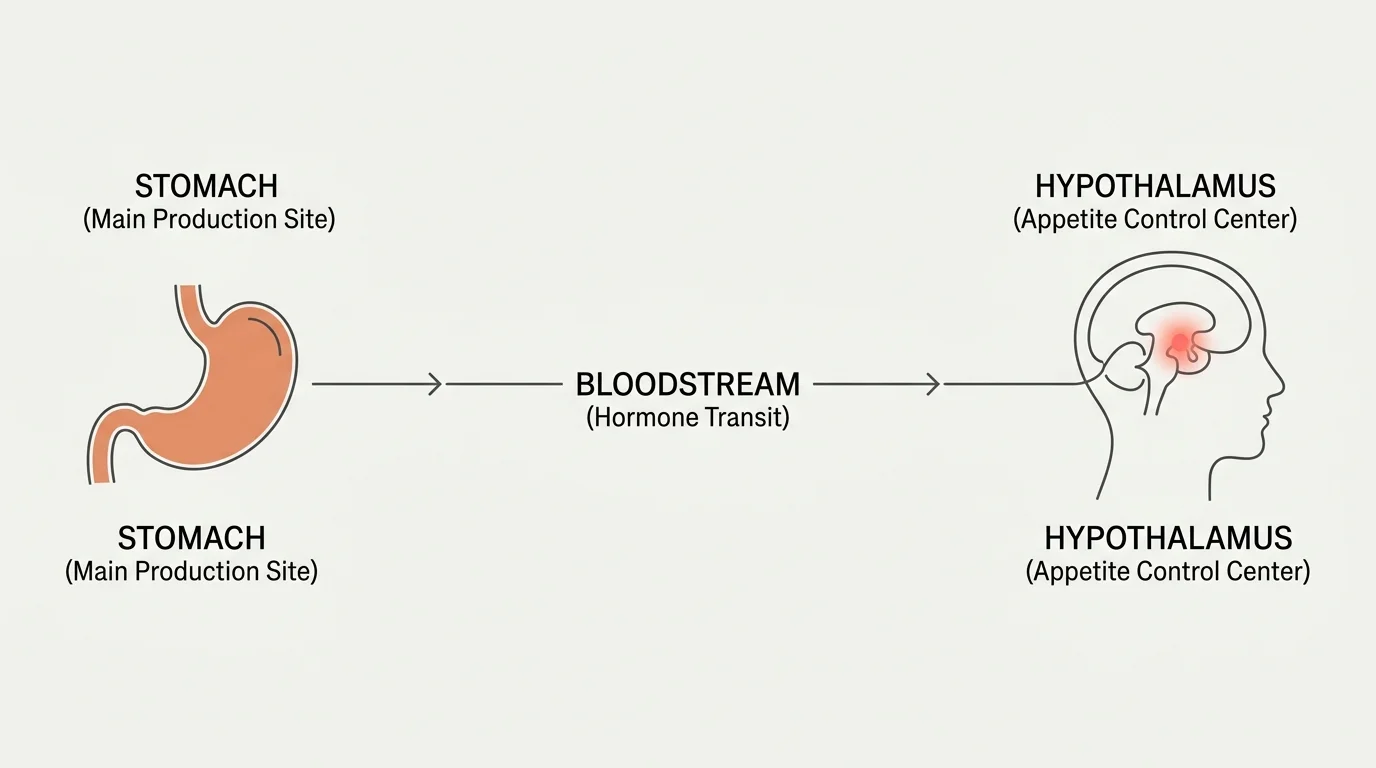
Ghrelin originates predominantly in your gastrointestinal tract, with your stomach acting as the main production site for this crucial hunger hormone. Once released, it travels directly through your bloodstream to the hypothalamus, the specific region of your brain responsible for controlling your daily appetite.
Your body operates on a rhythmic schedule where hormone concentrations naturally peak right before your habitual meal times and plummet significantly within an hour after you finish eating. This predictable biological cycle explains why you often experience intense cravings and stomach rumblings at the exact same time every single day.
The rare genetic disorder known as Prader-Willi syndrome provides extreme insight into modern nutrition science; individuals living with this condition suffer from exceptionally high ghrelin levels that cause an insatiable, lifelong appetite. This dramatic overproduction demonstrates just how powerfully this single hormone dictates feeding behaviors and constant food obsession.
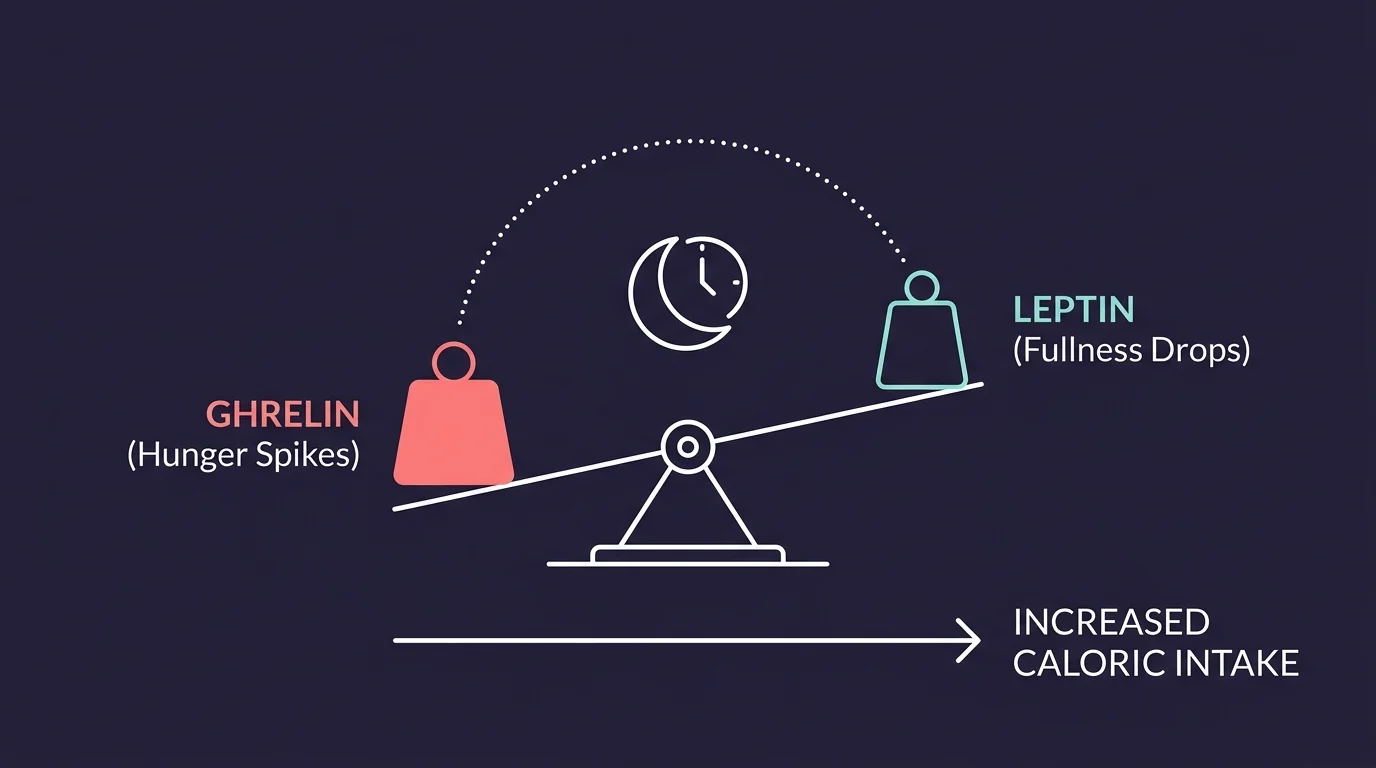
Shortchanging your nightly rest triggers a massive surge in ghrelin production while simultaneously lowering leptin, the opposing hormone that normally signals comfortable fullness to your nervous system. This specific hormonal imbalance directly links sleep deprivation to increased caloric intake, making sustained weight loss exponentially more difficult for chronically tired individuals.
Restrictive dieting triggers a deeply ingrained survival response that actually amplifies your body’s baseline production of the hunger hormone, causing sustained calorie deficits to feel like a monumental physical struggle. As you lose body mass, these elevated chemical signals constantly urge you to consume more food to rapidly restore the lost weight.
Beyond simply making you feel ravenous, ghrelin actively slows your resting metabolism and directly promotes the rapid accumulation of stubborn adipose tissue around your midsection. By signaling your body to conserve energy and store incoming calories as fat, it ensures you have ample fuel reserves to survive perceived periods of extreme famine.
Consuming meals packed with high-quality protein suppresses this hunger signal far more effectively and for significantly longer durations than eating meals heavily weighted toward simple carbohydrates or processed fats. Prioritizing protein at breakfast gives you a distinct metabolic advantage by keeping your appetite highly manageable and your energy stable throughout the entire morning.
Ghrelin heavily influences the mesolimbic reward pathway in your brain, artificially magnifying the intense pleasure and dopamine release you experience when eating highly palatable, calorie-dense junk foods. This chemical interaction makes resisting sugary treats practically impossible when your stomach remains empty for extended periods.
Paradoxically, individuals grappling with severe obesity typically exhibit lower fasting baseline levels of this hormone compared to lean individuals, a finding that initially challenged fundamental assumptions in early weight management research. However, their levels fail to drop as sharply after consuming a large meal, leaving them feeling substantially less satisfied despite taking in adequate calories.
Consuming beverages artificially sweetened with high-fructose corn syrup fails to suppress your stomach’s hormonal signals as effectively as consuming natural glucose, meaning you can easily drink hundreds of calories without ever feeling full. This biochemical blind spot reliably leads to severe overeating and consistently frustrates long-term fitness efforts for countless people.
Context and Background
The discovery of the hunger hormone fundamentally changed how experts approach weight loss and human biology. In 1999, researchers Masayasu Kojima and Kenji Kangawa isolated a peptide consisting of 28 amino acids in the rat stomach, naming it “ghrelin” based on the Proto-Indo-European root word for “grow.” Before this milestone, scientists largely viewed obesity and weight management through a strict thermodynamic lens—a simple equation of calories consumed versus calories burned. The identification of this powerful stomach hormone proved that appetite is not merely a matter of willpower; it is heavily dictated by a complex, highly evolved endocrinological system that constantly monitors your energy status.
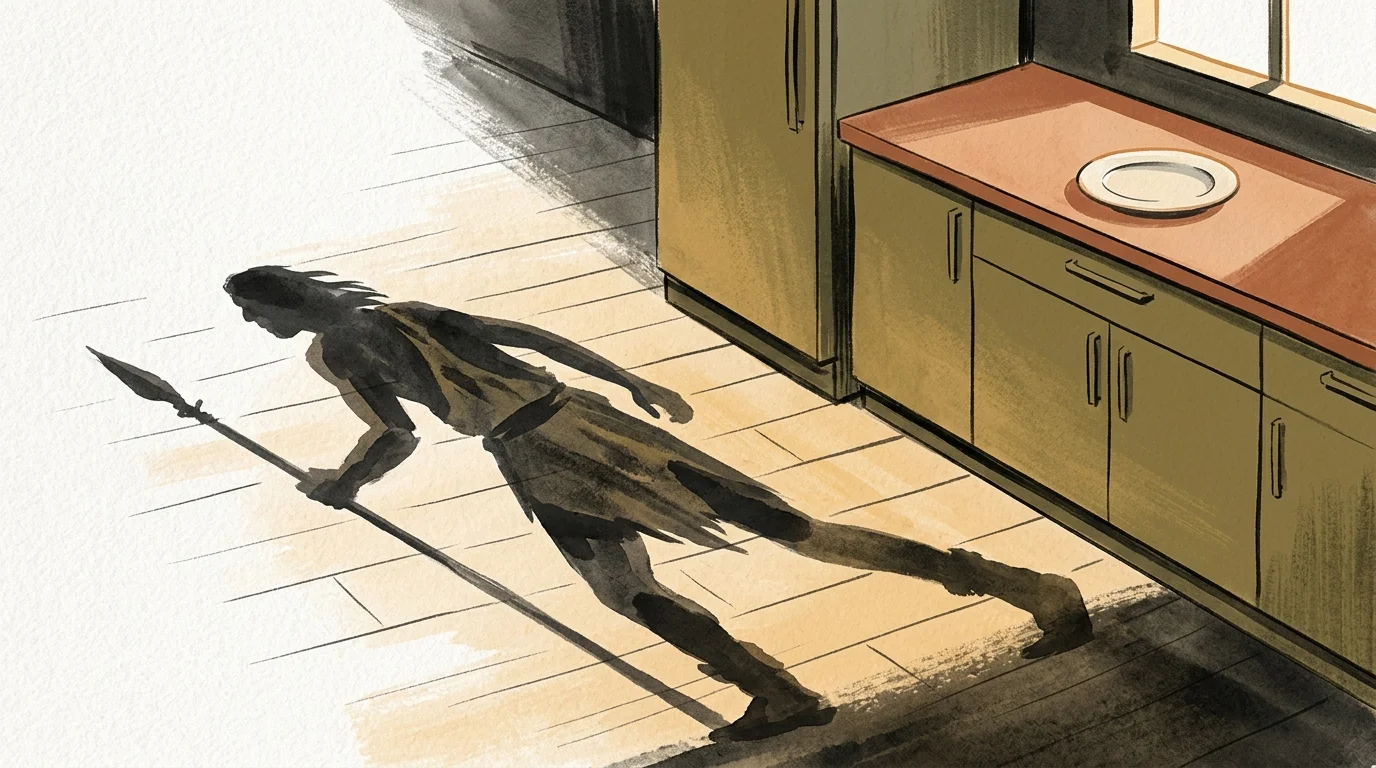
To truly understand how this hormone functions, you must look at your body through an evolutionary framework. For hundreds of thousands of years, your ancient ancestors faced constant threats of famine and extreme food scarcity. Ghrelin evolved as an aggressive defense mechanism against starvation. When food intake dropped and fat stores dwindled, the stomach pumped out massive amounts of this hormone to force early humans to hunt, forage, and consume as many calories as possible. Once food was secured, the hormone simultaneously shifted the metabolism into a conservation mode, preferentially storing incoming energy as fat for future survival. You inherited this exact same biological hardware, but you now live in a modern environment flooded with hyper-palatable, easily accessible food.
This evolutionary mismatch creates profound friction when you attempt to embark on intentional weight loss journeys. When you restrict calories to lose weight, your brain perceives the deficit as a deadly famine. The hypothalamus detects the drop in energy intake and commands the stomach to ramp up ghrelin production. This process—known as adaptive thermogenesis—explains why crash diets almost universally fail over the long term. The longer you restrict your food intake, the louder the hormonal alarm rings, eventually overwhelming your conscious discipline. Researchers from organizations like the National Institutes of Health frequently note that aggressive dieting triggers biochemical counter-regulatory mechanisms that actively fight against fat loss.
Fortunately, understanding this background allows you to outsmart your biology rather than fighting it head-on. The physical structure of your stomach plays a crucial role in silencing this chemical alarm. Your gastrointestinal tract contains sensitive mechanical stretch receptors that monitor the physical volume of the food you consume. When these receptors detect outward stretching, they communicate via the vagus nerve directly to the brain, halting ghrelin secretion. By strategically filling your stomach with high-volume, low-calorie foods—such as fibrous vegetables, fresh fruits, and broth-based soups—you can physically trigger these stretch receptors, effectively shutting off the hunger hormone without overconsuming calories.
Interesting Connections
The hunger hormone does not operate in a vacuum; it shares a deeply interconnected relationship with your sleep architecture. When you sleep fewer than seven hours per night, your endocrine system experiences immediate and dramatic disruptions. Research shows that just two nights of restricted sleep can increase ghrelin levels by nearly 30 percent while simultaneously crashing your levels of leptin. Because your brain desperately seeks rapid energy to counteract physical fatigue, this hormonal swing specifically drives cravings for high-carbohydrate, calorie-dense foods. If you find yourself uncontrollably reaching for pastries or potato chips after a poor night of rest, you are not lacking willpower—you are experiencing a chemically induced survival response. Prioritizing strict sleep hygiene serves as an absolutely mandatory step for stabilizing your metabolism.
Chronic psychological stress creates another fascinating and dangerous connection with your appetite. When you experience prolonged anxiety—whether from workplace pressures or financial worries—your adrenal glands flood your bloodstream with cortisol. Cortisol and ghrelin work synergistically to drive emotional eating. Your brain cannot distinguish between the stress of a looming deadline and the stress of a physical predator; it simply interprets the anxiety as a threat requiring extra energy. Consequently, chronic stress keeps your hunger hormone elevated, actively pushing you toward comfort foods that provide a temporary, soothing dopamine hit. Managing your stress through meditation, deep breathing, or walking physically lowers these hormones, curbing the biological urge to overeat.
Emerging nutrition science also reveals a remarkable communication network between the hunger hormone and your gut microbiome. The trillions of microscopic bacteria residing in your digestive tract actively influence your endocrine system. When you consume dietary fiber, specific beneficial bacterial strains ferment it into short-chain fatty acids, primarily butyrate, propionate, and acetate. These fatty acids travel through your gut lining and interact with your cellular receptors to naturally downregulate the expression of ghrelin. By consuming a diet rich in prebiotic fibers—found abundantly in garlic, onions, asparagus, and oats—you effectively feed these beneficial microbes, cultivating an internal ecosystem that naturally calms your appetite over time.
Exercise timing and intensity present yet another profound connection to appetite regulation. While you might assume that burning hundreds of calories during a workout would instantly make you hungry, rigorous aerobic exercise actually produces the opposite effect. When you engage in high-intensity interval training (HIIT) or heavy cardiovascular conditioning, your body dramatically redirects blood flow away from your gastrointestinal tract to supply oxygen to your working muscles. This physiological shift temporarily shuts down stomach activity and suppresses ghrelin release, leading to a well-documented phenomenon known as “exercise-induced anorexia.” Utilizing a rigorous morning workout can suppress your appetite for hours, offering a highly practical tool for managing your daily caloric intake.
Frequently Asked Questions
Can you permanently lower your baseline ghrelin levels?
You cannot permanently delete or lower your natural baseline, nor should you attempt to, as this hormone performs vital secondary functions—including regulating growth hormone release, promoting muscle repair, and protecting cardiovascular health. However, you can successfully manage the amplitude of its spikes. By maintaining a highly consistent daily meal schedule, prioritizing restorative sleep, and avoiding extreme, unsustainable calorie deficits, you can keep your daily hormonal fluctuations within a manageable, comfortable range that supports your metabolic health.
What is the most effective dietary strategy to suppress the hunger hormone naturally?
Protein stands out as the single most potent macronutrient for suppressing this chemical signal. Because lean meats, eggs, fish, and legumes possess complex molecular structures, your digestive system requires significantly more time and energy to break them down. This prolonged digestion process keeps ghrelin suppressed for hours. Additionally, combining substantial protein portions with high-volume, fiber-rich vegetables physically stretches the stomach walls, sending immediate mechanical fullness signals to the brain that override the hormonal urge to continue eating.
How does intermittent fasting influence appetite hormones over time?
During the initial days of any fasting protocol, you will experience sharp, highly uncomfortable hunger pangs precisely at the times you historically consumed meals. This occurs because your body proactively releases the hormone based on your established circadian eating rhythm. However, if you push through this initial adaptation period, your endocrine system adjusts. Long-term studies demonstrate that consistent fasting actually blunts the overall ghrelin response, teaching your body to tap into stored body fat for steady energy without triggering overwhelming, persistent hunger.
Why do you sometimes feel ravenous immediately after eating a large meal?
If you consume a meal composed entirely of highly refined, simple carbohydrates—such as a large bowl of pasta, sugary cereals, or white bread—your blood glucose levels spike and crash rapidly. More importantly, refined carbohydrates fail to adequately suppress stomach hormones compared to proteins and healthy fats. You essentially consume massive amounts of caloric energy without ever shutting off the chemical alarm demanding more food. This process, often exacerbated by reactive hypoglycemia, leads to a frustrating cycle where eating actually makes you hungrier.
Are there pharmaceutical drugs designed to block this specific hormone?
Pharmaceutical companies have spent more than two decades attempting to develop an effective ghrelin-blocking drug or vaccine to cure obesity. While the concept sounds perfect on paper, the biological reality proves exceedingly difficult. Because this hormone regulates mood, insulin secretion, and growth processes, blocking it entirely often leads to severe adverse side effects, including deep depression and dangerously low growth hormone levels. Current medical weight management strategies generally focus on targeting different biological pathways—such as GLP-1 receptors—rather than attempting to directly eradicate your natural hunger signals.
Does aging affect how your body produces and responds to appetite signals?
Yes, your biological response to appetite hormones changes significantly as you enter your later years. Through a process known as somatopause, your body naturally decreases its production of growth hormones and ghrelin. While this might sound beneficial for weight management, it frequently leads to the “anorexia of aging,” where senior citizens lose their natural drive to eat. This dulling of the appetite signal can cause dangerous unintended weight loss, muscle wasting, and severe nutritional deficiencies in older populations.
Keywords: hunger hormone, ghrelin, metabolism, weight loss, nutrition science
